"Cleaning" can mean very different things. A quick weekly tidy-up, a top-to-bottom spring clean and a move-out clean for a rental all involve different tasks, time and expectations. Knowing which you need helps you brief a cleaner and compare quotes.
This is general information.
Regular cleaning
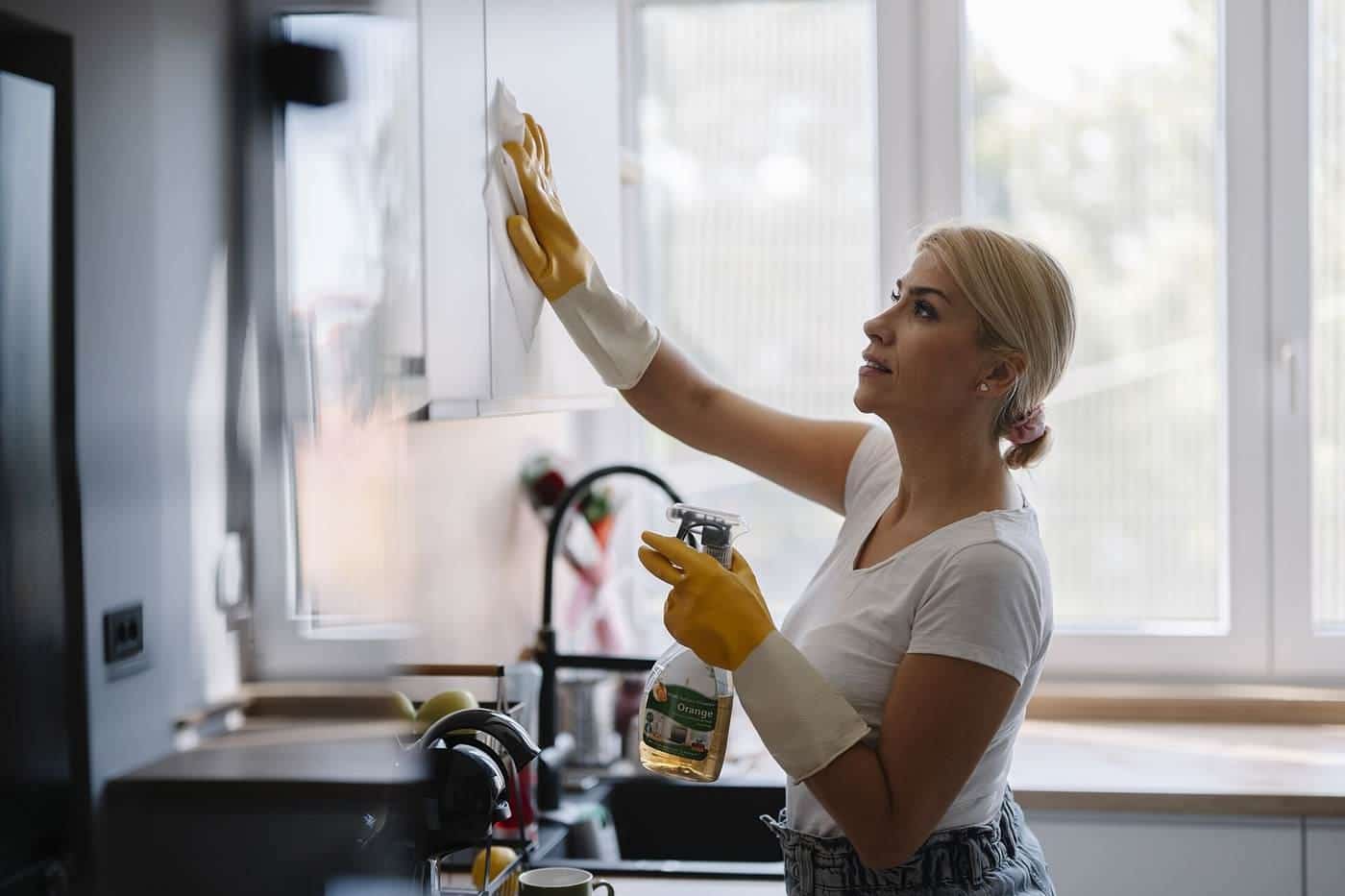
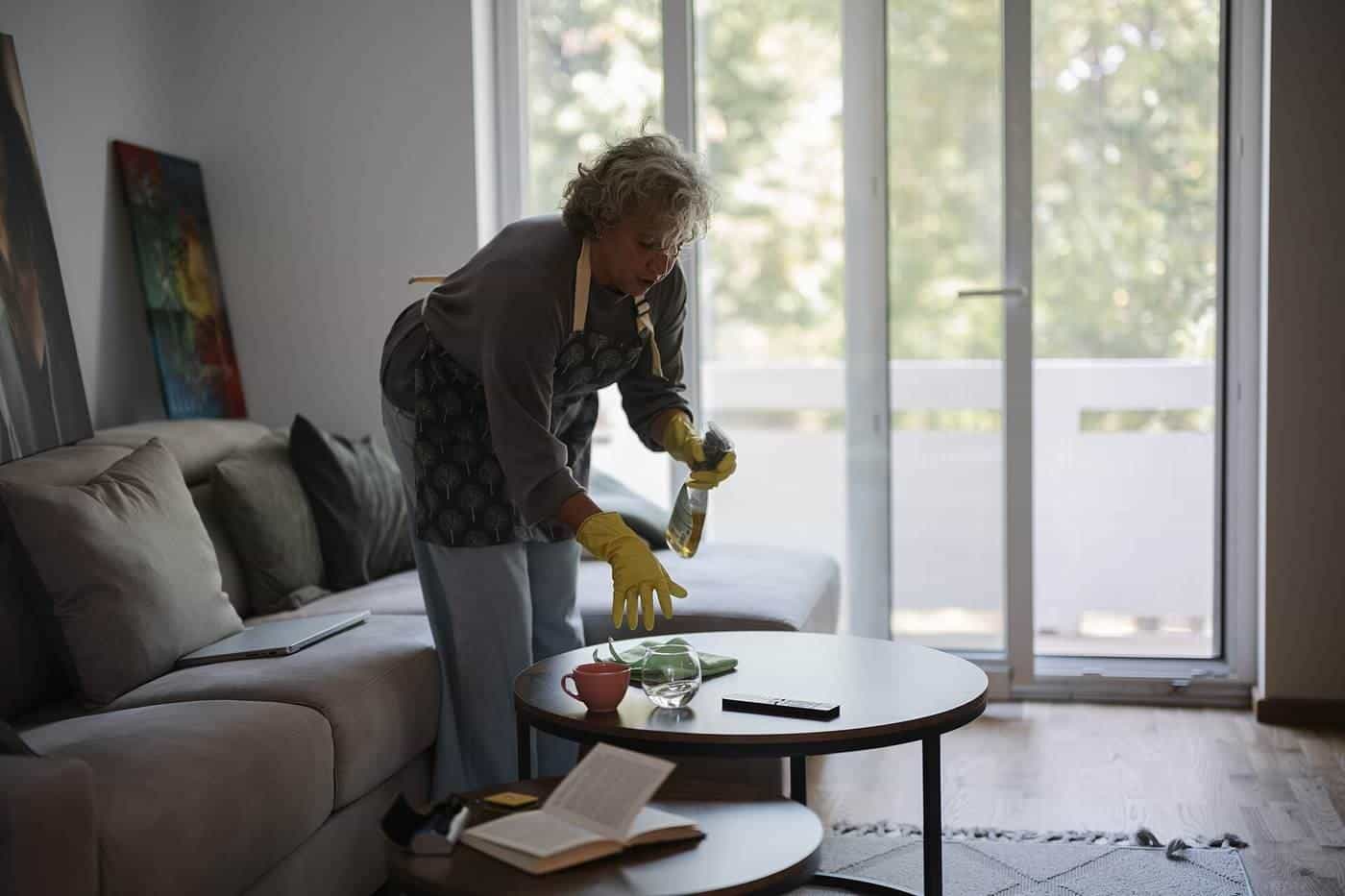
Regular cleans maintain a home that's already in reasonable shape. They usually cover:
- kitchen benches, sink, stovetop and surfaces;
- bathrooms: toilet, basin, shower and mirrors;
- dusting accessible surfaces;
- vacuuming and mopping floors;
- emptying bins.
Regular cleans usually don't include inside ovens, fridges or cupboards, walls, windows or carpets. Weekly and fortnightly are common frequencies.
Deep cleaning
A deep clean goes further, tackling built-up grime and areas skipped in regular cleans:
- inside ovens, microwaves and rangehoods;
- grout, tiles and soap scum;
- skirting boards, doors and frames;
- light switches, fittings and fans;
- window sills and tracks;
- behind and under movable furniture and appliances.
Many cleaners recommend a deep clean before starting regular cleans, so maintenance is easier afterwards.
Spring cleaning
A seasonal clean, often combined with decluttering: washing curtains, cleaning windows, airing bedding, clearing gutters (by someone safe to do so) and sorting cupboards.
End-of-lease cleaning
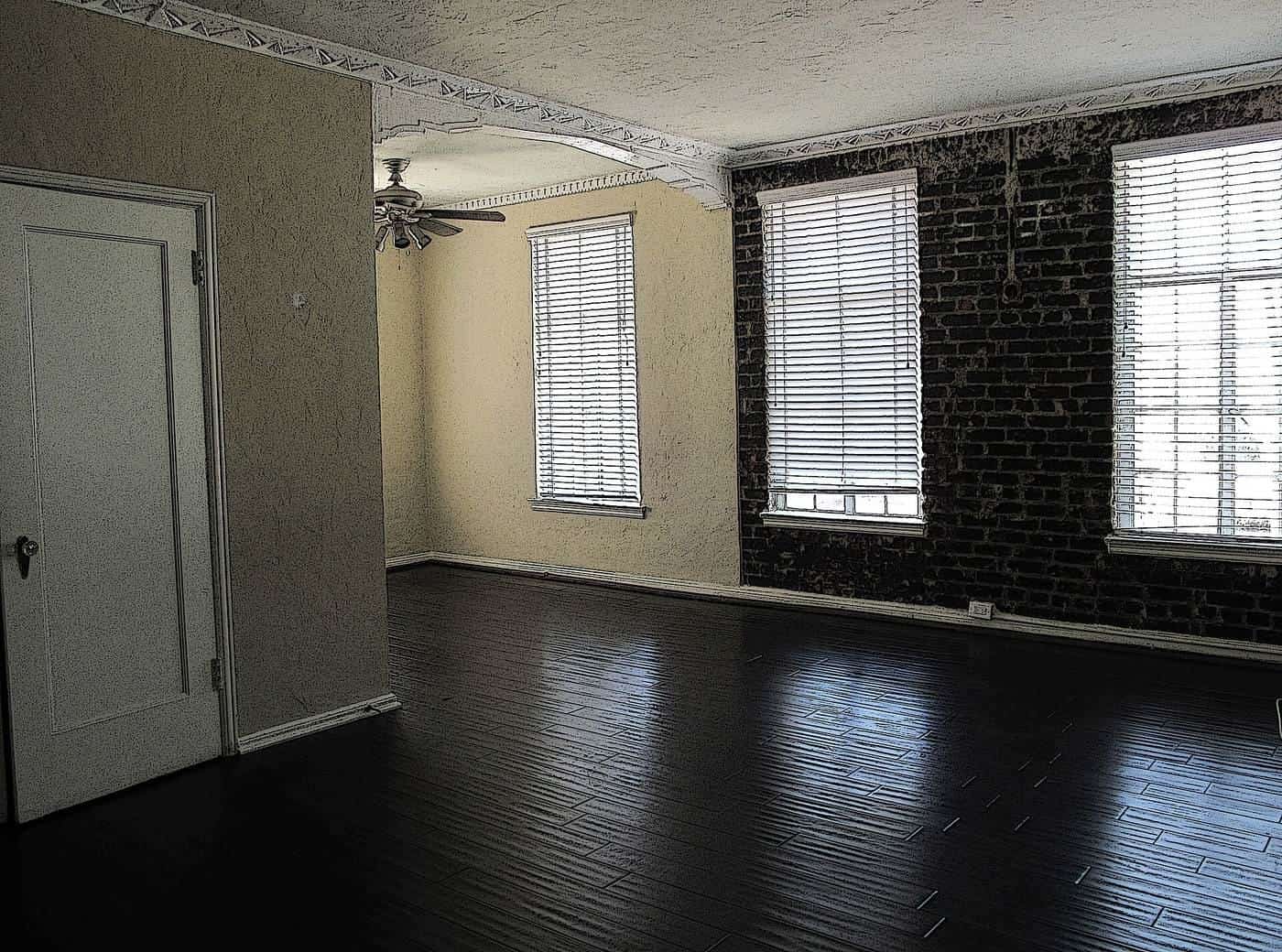
When you move out of a rental in Victoria, Consumer Affairs Victoria says renters must leave the property reasonably clean and in the same condition as when they moved in, taking into account fair wear and tear. End-of-lease cleaning aims to meet that standard, using the entry condition report as the benchmark. See end-of-lease cleaning in Victoria.
Specialist cleaning
Some jobs need specialist skills or equipment:
- carpet and upholstery cleaning (see carpet and upholstery care);
- high or external windows;
- significant mould, especially after water damage (see mould at home);
- after renovations, with fine dust.
Choosing what you need
Ask yourself:
- What condition is the home in now?
- What's the goal: maintenance, a fresh start or meeting a rental standard?
- What's your budget and how often can you afford help?
- Which tasks can you do yourself?
Our cleaning checklist switches between a regular clean and a move-out clean so you can see the difference.
Writing a good brief
A clear brief is the single best way to get the clean you want. Before the first visit, write down which rooms are included, the tasks you care about most, anything that must not be touched or moved, and any products to use or avoid. Mention pets, alarm systems, parking and where rubbish goes. Point out fragile items and surfaces that need special care, such as natural stone benchtops, timber floors or delicate fabrics. Walk through the home with the cleaner on the first visit if you can. After a few cleans, review the brief together and adjust it. Our cleaning checklist can be printed and left on the bench as a simple brief.
What affects the cost of cleaning
We don't publish prices, but understanding what drives cost helps you compare quotes:
- the size of the home and number of bathrooms;
- the condition of the home and how long since the last clean;
- the tasks included, especially ovens, windows, walls and carpets;
- whether products and equipment are supplied;
- how often you book;
- access, parking and travel time;
- weekend or urgent bookings.
Ask cleaners to explain how they've calculated their quote.
Time-saving habits
Small habits make a big difference. Clean as you go in the kitchen. Squeegee the shower screen after use. Keep a cloth and spray under each bathroom sink, safely out of children's reach. Deal with clutter before it builds up, because tidy surfaces are faster to clean. Put a mat at every external door. Set a timer for short bursts instead of saving everything for one long session. Do one deeper task each week, such as wiping skirting boards or cleaning the fridge, so nothing gets out of hand.
Windows, tracks and blinds
Windows are easy to overlook. For glass, a squeegee and a little detergent in water often works better than spray-and-wipe. Vacuum tracks first to remove grit, then wipe with a damp cloth. Dust blinds regularly, and check the care instructions before washing them. Only clean windows you can reach safely from the ground or from inside; leave high external windows to people with the right equipment and training.
Tackling the oven
Ovens are one of the most time-consuming cleaning jobs and a common sticking point at final inspections. Remove racks and trays and soak them. Follow the oven manufacturer's instructions and the cleaning product's label; some oven cleaners are strongly caustic, so wear gloves and eye protection, ventilate the room and keep children and pets away. Don't use oven cleaners on self-cleaning ovens unless the manufacturer allows it. Clean the door glass and seals, and don't forget the rangehood filter.
Homes with pets
Pets bring hair, dander, muddy paws and the occasional accident. Regular vacuuming, washable covers on furniture and mats at doors help. For accidents, clean up promptly using a product suited to the surface, and test first. Keep pets out of freshly cleaned areas until surfaces are dry, and store cleaning products where pets can't reach them. If you're hiring a cleaner, tell them about your pets: some people prefer pets to be secured during the visit, and some cleaners have allergies. At the end of a tenancy, pet-related cleaning may be a focus at the final inspection, so check your agreement and the entry condition report.
Allergies, asthma and sensitivities
If anyone in your home has allergies, asthma or chemical sensitivities, cleaning choices matter. Fragranced products and sprays can irritate some people's airways; damp-dusting and vacuuming with a good filter help reduce airborne dust; and controlling moisture helps prevent mould. Let your cleaner know about sensitivities and ask about fragrance-free products. If you have health concerns, talk to your doctor about what's appropriate for your household.
Questions to ask yourself first
Before you act on this guide, take a few minutes to think about your own situation. What outcome do you actually need, and by when? Which tasks matter most to you, and which can wait? What's your budget, in time as well as money? Are there health, safety or access issues in your home that change the approach? Are you renting, and if so, what does your agreement and condition report say? Writing short answers to these questions makes it much easier to choose the right option, brief a cleaner clearly or plan your own clean, and it helps you notice gaps before they become problems.
Keeping good records
Whether you clean yourself or hire help, a simple record saves trouble later. Keep quotes, agreements, invoices and receipts in one folder. Save messages about scope, changes and any issues. For rentals, keep your condition report and dated photos together with your final cleaning receipts. Note any problems you reported, such as leaks or broken fans, and when. If a question comes up months later, about a bond, a damaged item or a disputed invoice, clear records let you answer it quickly and calmly.
A note on products and brands
We don't recommend particular cleaning brands, and we're not paid to mention products. When choosing a product, look for one that's designed for the surface and the job, read the label in full, and check the directions, safety warnings and first aid instructions before you start. Products sold for similar jobs can differ a lot in strength and ingredients, so don't assume one works like another. If a label is unclear or missing, don't use the product. Choosing the mildest product that does the job is usually the safest and cheapest approach.
Key points
- Regular cleans maintain; deep cleans reset.
- End-of-lease cleaning aims at the "reasonably clean" standard against the entry condition report.
- Specialist jobs may need specialist cleaners.
- Brief cleaners clearly on which type of clean you want.
Frequently asked questions
What is the difference between a regular clean and a deep clean?
A regular clean maintains a home; a deep clean tackles built-up grime and areas not covered every time.
How often should I book a cleaner?
It depends on your household, budget and preferences. Many people choose weekly or fortnightly.
Is end-of-lease cleaning different?
Yes. It aims to return a rental to the condition in the entry condition report, allowing for fair wear and tear.
Should I start with a deep clean?
Many cleaners recommend a deep clean first, then regular maintenance cleans.
Can I mix and match?
Yes. Some people book regular cleans plus occasional extras like windows or ovens.
Sources and further reading
Facts on this page were checked against these primary and official sources. Conditions change — confirm before you travel or buy.
- Condition reports — Consumer Affairs Victoria
- Consumer guarantees that apply automatically — Consumer Affairs Victoria
- Services not done with due care and skill — Consumer Affairs Victoria
- Floods: mould and your health — Department of Health Victoria