Melbourne's cool, damp winters make mould a familiar problem in many homes, especially in bathrooms, on window frames and behind furniture against cold external walls. The key is to deal with moisture and clean small areas safely.
This guide is general information, not health advice. If you have health concerns about mould, talk to a doctor.
Why mould grows
Mould needs moisture. Common sources at home include:
- condensation on cold windows and walls, especially in winter;
- steam from showers, baths, cooking and clothes drying indoors;
- poor ventilation, such as bathrooms without working exhaust fans;
- leaks from roofs, plumbing or gutters;
- rising damp or water damage.
Cleaning without fixing the moisture source means the mould will likely return.
Prevention
- Use exhaust fans when showering and cooking, and leave them on for a while afterwards.
- Open windows when weather allows to air the home.
- Wipe condensation from windows and sills in the morning.
- Avoid drying clothes indoors without ventilation.
- Leave a gap between furniture and external walls.
- Fix leaks promptly.
- Keep wardrobes and cupboards ventilated.
Cleaning small areas safely
Victorian health guidance on mould advises that if you're removing mould yourself, make sure there's good ventilation and wear protective clothing, including rubber gloves, eye protection and a P1 or P2 face mask, available from hardware stores.
Practical tips:
- work in a well-ventilated area;
- clean with a damp cloth rather than dry brushing, which can spread spores;
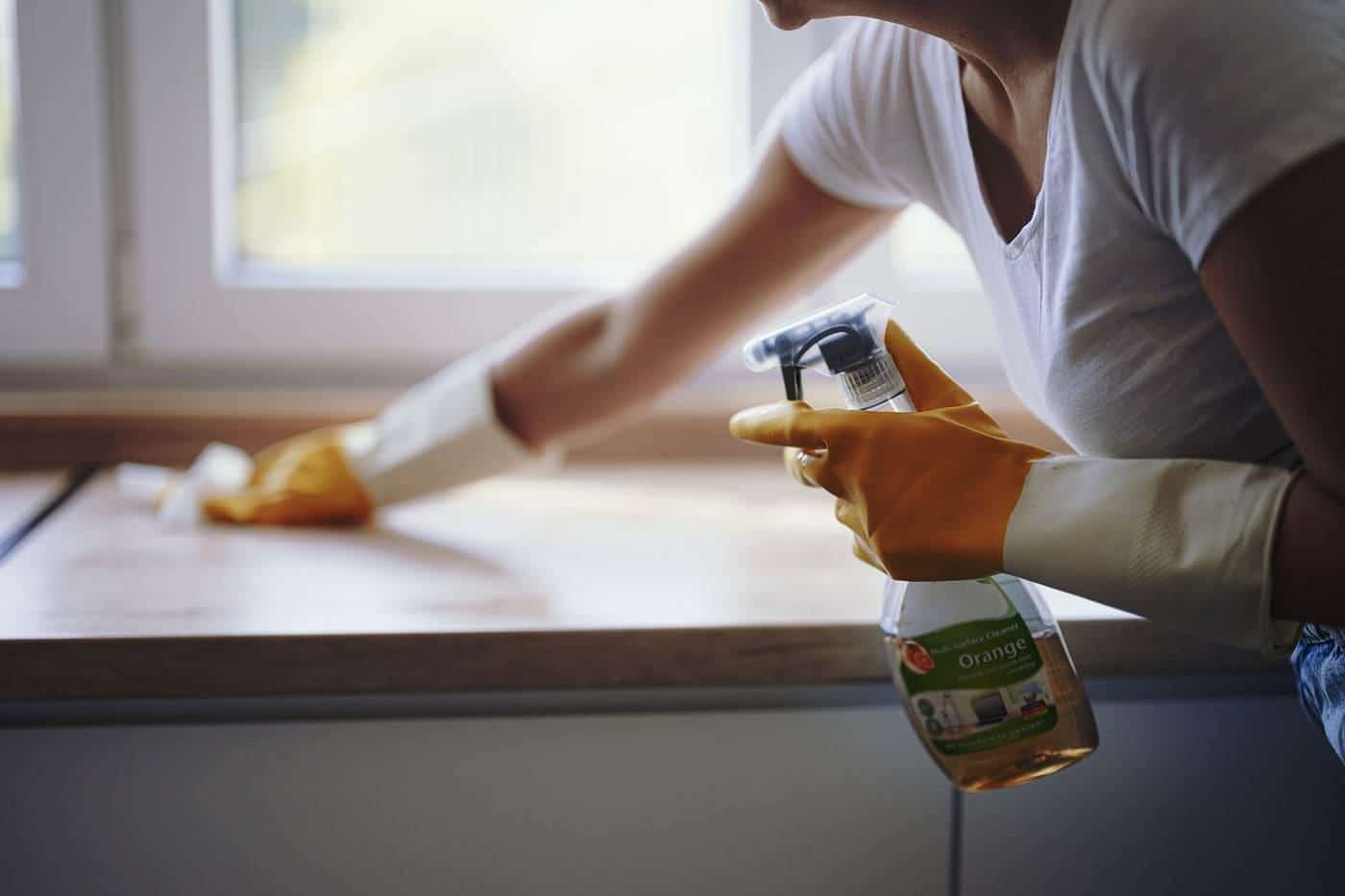
- use a cleaning product suited to the surface and follow the label;
- dry the area thoroughly afterwards;
- throw away heavily affected porous items, such as some cardboard or soft furnishings, if they can't be cleaned.
Never mix chemicals
The same Victorian guidance warns: don't mix bleach with ammonia, acids or other cleaners, because this can release hazardous chlorine or chloramine fumes. Read product labels before use. If someone has swallowed or been exposed to a cleaning product, call the Poisons Information Centre on 13 11 26. In an emergency, call 000. See cleaning chemical safety.
When to get help
Get professional help if:
- the affected area is large;
- mould follows flooding or significant water damage;
- mould keeps coming back after cleaning;
- it's inside walls, ceilings or air conditioning;
- someone in the home has asthma, allergies, a weakened immune system or other health concerns.
Renters
If you rent, report mould and damp to your rental provider or agent in writing, particularly if it's caused by a leak, a broken exhaust fan or structural issues. Consumer Affairs Victoria has information on repairs. Keep the property ventilated and clean surface mould caused by everyday condensation where safe. At the end of a tenancy, the cleaning standard is "reasonably clean" compared with the entry condition report; see end-of-lease cleaning.
Ventilation matters
Good ventilation helps with almost every cleaning problem. It reduces condensation and mould, clears fumes from cleaning products and helps surfaces dry faster. Use exhaust fans in bathrooms and kitchens, and check they're working and their covers are clean. Open windows when weather allows, even briefly in winter. Use window coverings and furniture placement that let air circulate near external walls. If you rent and an exhaust fan isn't working, report it to your rental provider.
Allergies, asthma and sensitivities
If anyone in your home has allergies, asthma or chemical sensitivities, cleaning choices matter. Fragranced products and sprays can irritate some people's airways; damp-dusting and vacuuming with a good filter help reduce airborne dust; and controlling moisture helps prevent mould. Let your cleaner know about sensitivities and ask about fragrance-free products. If you have health concerns, talk to your doctor about what's appropriate for your household.
Mould in rental properties
Mould is a common issue in rentals, particularly in older buildings with poor ventilation. If you notice mould or damp, report it to your rental provider or agent in writing, especially if it's caused by a leak, a broken exhaust fan or another maintenance issue. Keep a record of when you reported it and what happened. Consumer Affairs Victoria has information about repairs and rental minimum standards. Day-to-day ventilation and cleaning of surface mould from condensation is generally part of keeping the property reasonably clean.
Know your surfaces
Different surfaces need different care, and the wrong product can cause permanent damage. Natural stone such as marble can be etched by acidic cleaners. Some engineered stone and laminate benchtops don't tolerate abrasive pads. Timber floors can be damaged by too much water. Stainless steel shows streaks and scratches if cleaned against the grain or with harsh scourers. Glass shower screens may have coatings that some products strip. When in doubt, check the manufacturer's care instructions, test a product on a small hidden area first, and start with the gentlest method that works. If you're briefing a cleaner, tell them about any surfaces that need special care.
Cleaning with children around
Children can help with age-appropriate tasks, such as tidying toys, wiping low surfaces with water or putting washing away, and learning to clean is a useful life skill. But keep cleaning products out of their reach, and don't leave buckets of water or cleaning solution unattended, as they're a drowning and poisoning risk for small children. Store products in high or locked cupboards in their original containers. If a child swallows or is exposed to a product, call the Poisons Information Centre on 13 11 26, or 000 in an emergency.
Where our information comes from
We base the legal and safety information in this guide on official sources, including Consumer Affairs Victoria, the Residential Tenancies Act 1997, published VCAT decisions, the Victorian Department of Health and healthdirect, listed at the end of the page. Practical cleaning tips are general guidance. Laws and guidance change, so we show the date we last checked the page. Before relying on any detail, follow the source links.
Time-saving habits
Small habits make a big difference. Clean as you go in the kitchen. Squeegee the shower screen after use. Keep a cloth and spray under each bathroom sink, safely out of children's reach. Deal with clutter before it builds up, because tidy surfaces are faster to clean. Put a mat at every external door. Set a timer for short bursts instead of saving everything for one long session. Do one deeper task each week, such as wiping skirting boards or cleaning the fridge, so nothing gets out of hand.
Questions to ask yourself first
Before you act on this guide, take a few minutes to think about your own situation. What outcome do you actually need, and by when? Which tasks matter most to you, and which can wait? What's your budget, in time as well as money? Are there health, safety or access issues in your home that change the approach? Are you renting, and if so, what does your agreement and condition report say? Writing short answers to these questions makes it much easier to choose the right option, brief a cleaner clearly or plan your own clean, and it helps you notice gaps before they become problems.
A note on products and brands
We don't recommend particular cleaning brands, and we're not paid to mention products. When choosing a product, look for one that's designed for the surface and the job, read the label in full, and check the directions, safety warnings and first aid instructions before you start. Products sold for similar jobs can differ a lot in strength and ingredients, so don't assume one works like another. If a label is unclear or missing, don't use the product. Choosing the mildest product that does the job is usually the safest and cheapest approach.
Key points
- Mould needs moisture; fix the source.
- Ventilate, wipe condensation and fix leaks.
- Clean small areas with ventilation and protective gear.
- Never mix bleach with ammonia, acids or other cleaners.
- Get professional help for large areas, water damage or health concerns.
Frequently asked questions
What causes mould at home?
Moisture: condensation, poor ventilation, leaks or water damage.
Can I clean mould myself?
Small areas often can be cleaned with care. Ventilate, and wear protective gear such as gloves, eye protection and a P1 or P2 mask, as Victorian health advice suggests.
Should I use bleach?
Read the label. Never mix bleach with ammonia, acids or other cleaners, as this can release hazardous fumes.
When should I get professional help?
For large areas, after flooding or water damage, if mould keeps coming back, or if someone in the home has health concerns.
I rent. Who fixes mould?
Report mould and damp to your rental provider. Consumer Affairs Victoria has information on repairs and rental minimum standards.
Sources and further reading
Facts on this page were checked against these primary and official sources. Conditions change — confirm before you travel or buy.
- Floods: mould and your health — Department of Health Victoria
- Swallowed substances — healthdirect
- Condition reports — Consumer Affairs Victoria
- Bond claims and refunds — Consumer Affairs Victoria