A home doesn't clean itself, but it doesn't need to take over your life either. Breaking cleaning into small, regular tasks keeps things manageable and stops jobs piling up.
This is general information. Adjust the schedule to your home and household.
Daily
- Wash dishes or run the dishwasher.
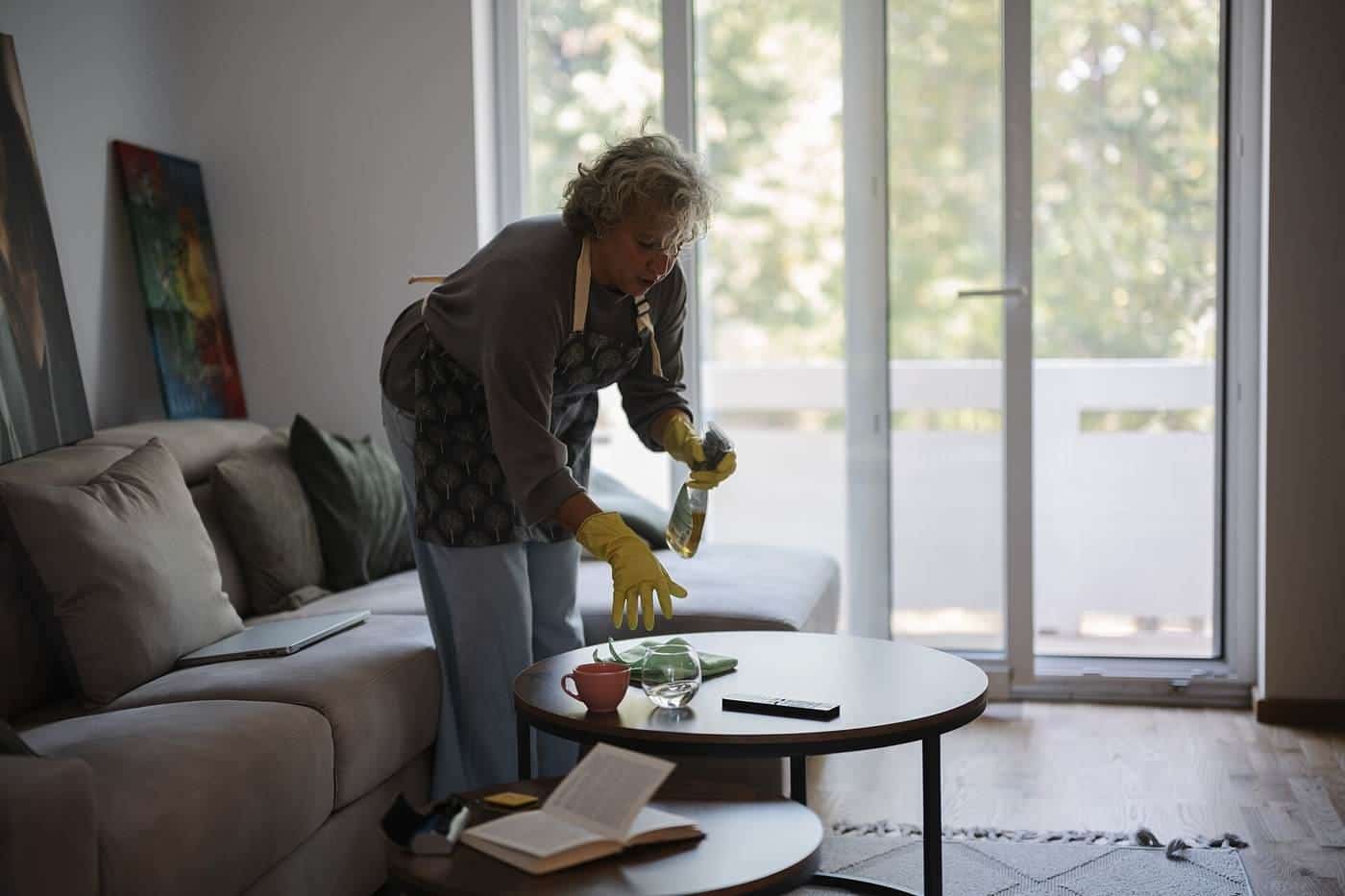
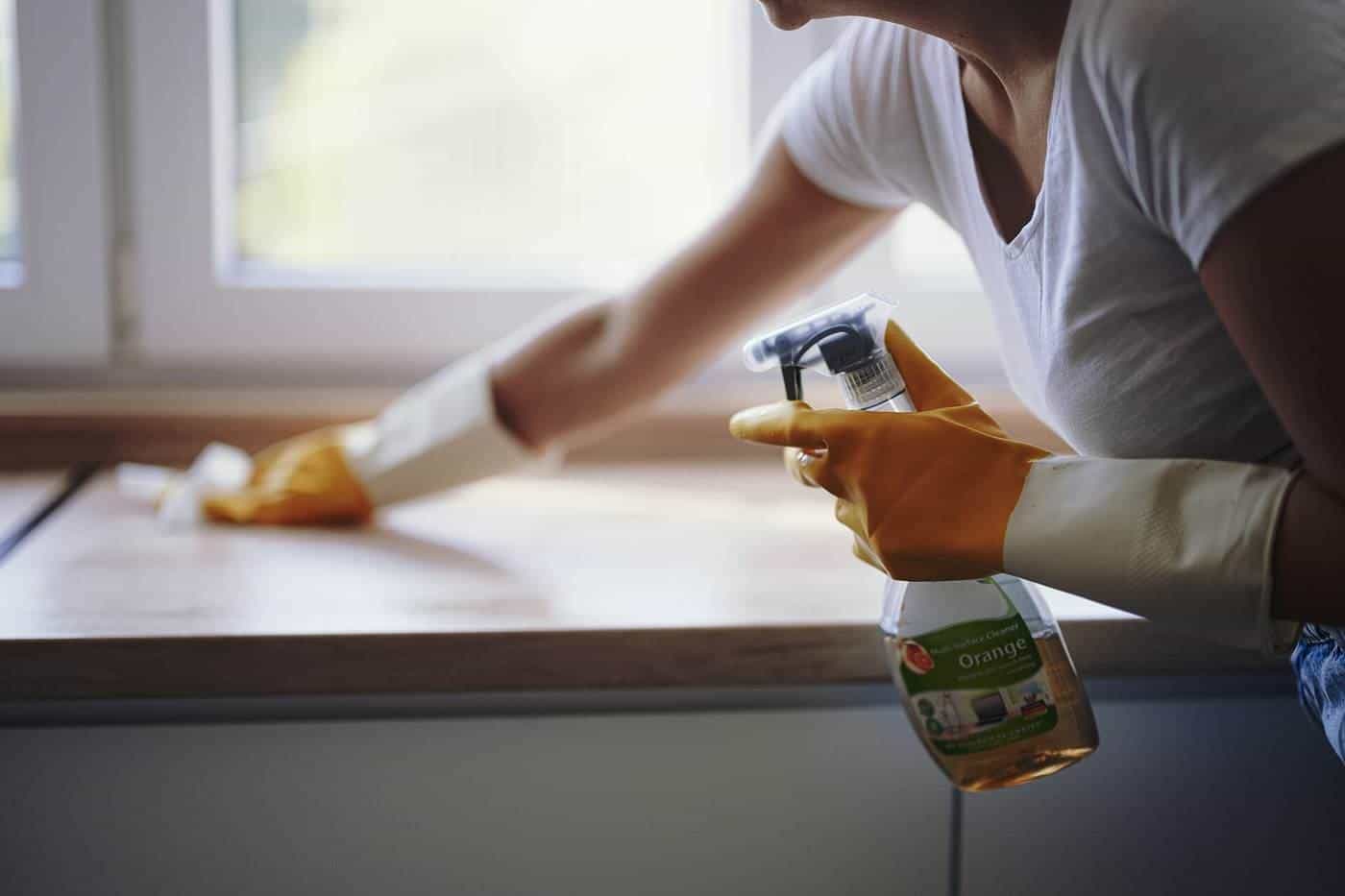
- Wipe kitchen benches and the stovetop.
- Quick tidy of living areas.
- Deal with spills straight away.
- Wipe condensation from windows in winter, to help prevent mould.
Weekly
- Clean bathrooms: toilet, basin, shower and mirror.
- Vacuum and mop floors.
- Dust surfaces.
- Change bed linen and towels.
- Empty bins and wipe them as needed.
- Wipe the microwave and fridge handles.
Monthly
- Clean inside the microwave and wipe fridge shelves.
- Vacuum under furniture and along skirting boards.
- Wipe light switches, door handles and cupboard fronts.
- Clean exhaust fan covers.
- Check for mould in bathrooms, wardrobes and behind furniture.
Seasonal
- Wash windows and sills.
- Clean curtains or blinds.
- Deep clean the oven and rangehood filters.
- Move furniture and clean underneath.
- Declutter cupboards.
- Clean outdoor areas.
Make it easier
- Clean as you go in the kitchen and bathroom.
- Use a timer: 15 minutes a day achieves a lot.
- Keep supplies where you need them, safely stored away from children (see cleaning chemical safety).
- Share the load: agree who does what and rotate unpopular tasks.
- Use a checklist: our cleaning checklist prints a room-by-room list.
When to get help
If cleaning is overwhelming, consider a regular cleaner for the big weekly jobs, or a one-off deep clean to reset. See regular or one-off cleaning.
Time-saving habits
Small habits make a big difference. Clean as you go in the kitchen. Squeegee the shower screen after use. Keep a cloth and spray under each bathroom sink, safely out of children's reach. Deal with clutter before it builds up, because tidy surfaces are faster to clean. Put a mat at every external door. Set a timer for short bursts instead of saving everything for one long session. Do one deeper task each week, such as wiping skirting boards or cleaning the fridge, so nothing gets out of hand.
A basic cleaning kit
You don't need a cupboard full of products. A simple kit covers most homes:
- microfibre cloths in a few colours, using different colours for kitchen, bathroom and toilet;
- a general-purpose cleaner suited to your surfaces;
- a bathroom cleaner and a toilet cleaner;
- a glass cleaner or a squeegee;
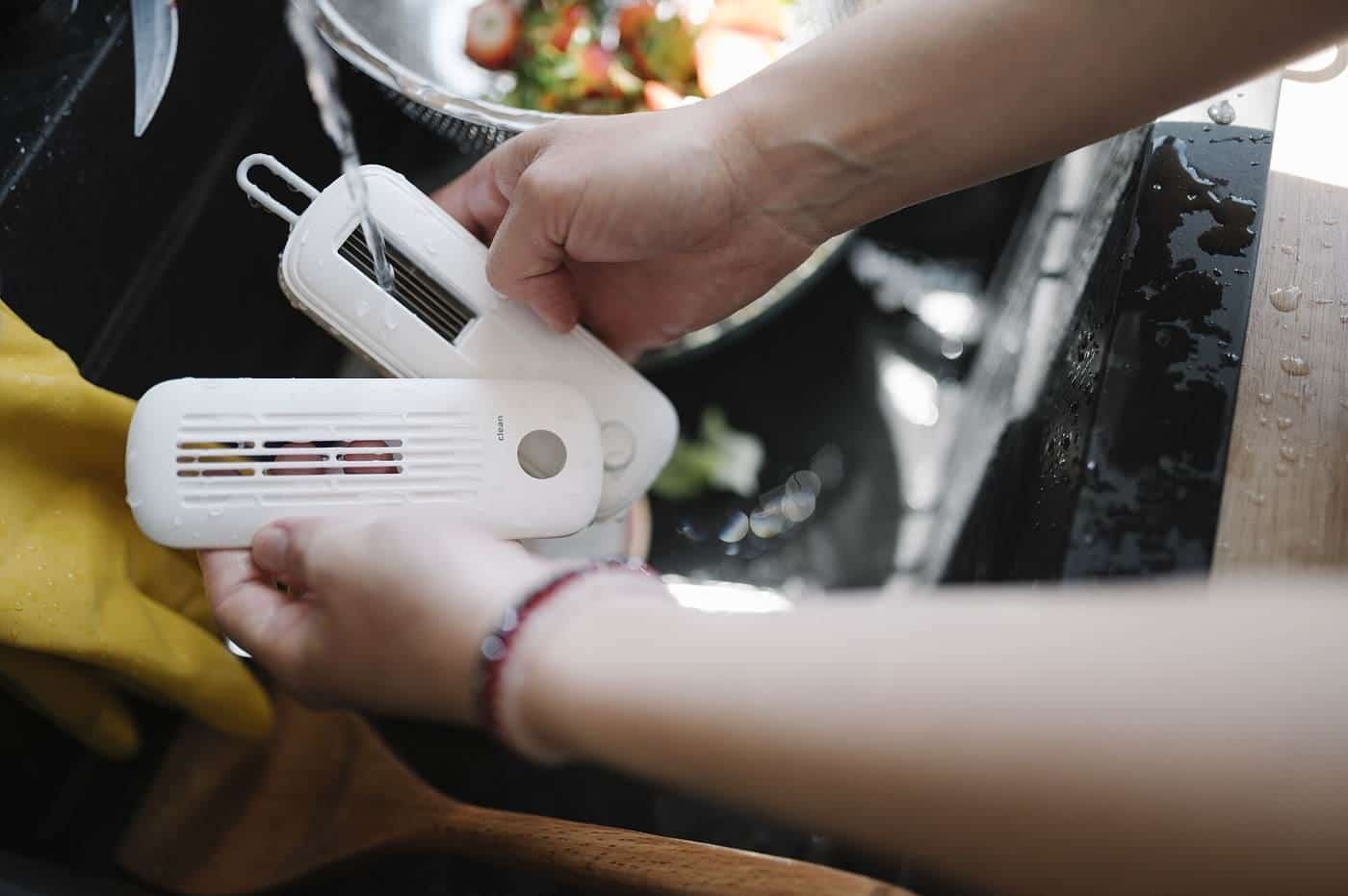
- dishwashing detergent;
- a scrubbing brush and non-scratch sponges;
- a vacuum cleaner with attachments;
- a mop and bucket;
- rubber gloves.
Store products in their original containers, away from children and pets, and never mix them.
Know your surfaces
Different surfaces need different care, and the wrong product can cause permanent damage. Natural stone such as marble can be etched by acidic cleaners. Some engineered stone and laminate benchtops don't tolerate abrasive pads. Timber floors can be damaged by too much water. Stainless steel shows streaks and scratches if cleaned against the grain or with harsh scourers. Glass shower screens may have coatings that some products strip. When in doubt, check the manufacturer's care instructions, test a product on a small hidden area first, and start with the gentlest method that works. If you're briefing a cleaner, tell them about any surfaces that need special care.
Windows, tracks and blinds
Windows are easy to overlook. For glass, a squeegee and a little detergent in water often works better than spray-and-wipe. Vacuum tracks first to remove grit, then wipe with a damp cloth. Dust blinds regularly, and check the care instructions before washing them. Only clean windows you can reach safely from the ground or from inside; leave high external windows to people with the right equipment and training.
Tackling the oven
Ovens are one of the most time-consuming cleaning jobs and a common sticking point at final inspections. Remove racks and trays and soak them. Follow the oven manufacturer's instructions and the cleaning product's label; some oven cleaners are strongly caustic, so wear gloves and eye protection, ventilate the room and keep children and pets away. Don't use oven cleaners on self-cleaning ovens unless the manufacturer allows it. Clean the door glass and seals, and don't forget the rangehood filter.
Greener cleaning
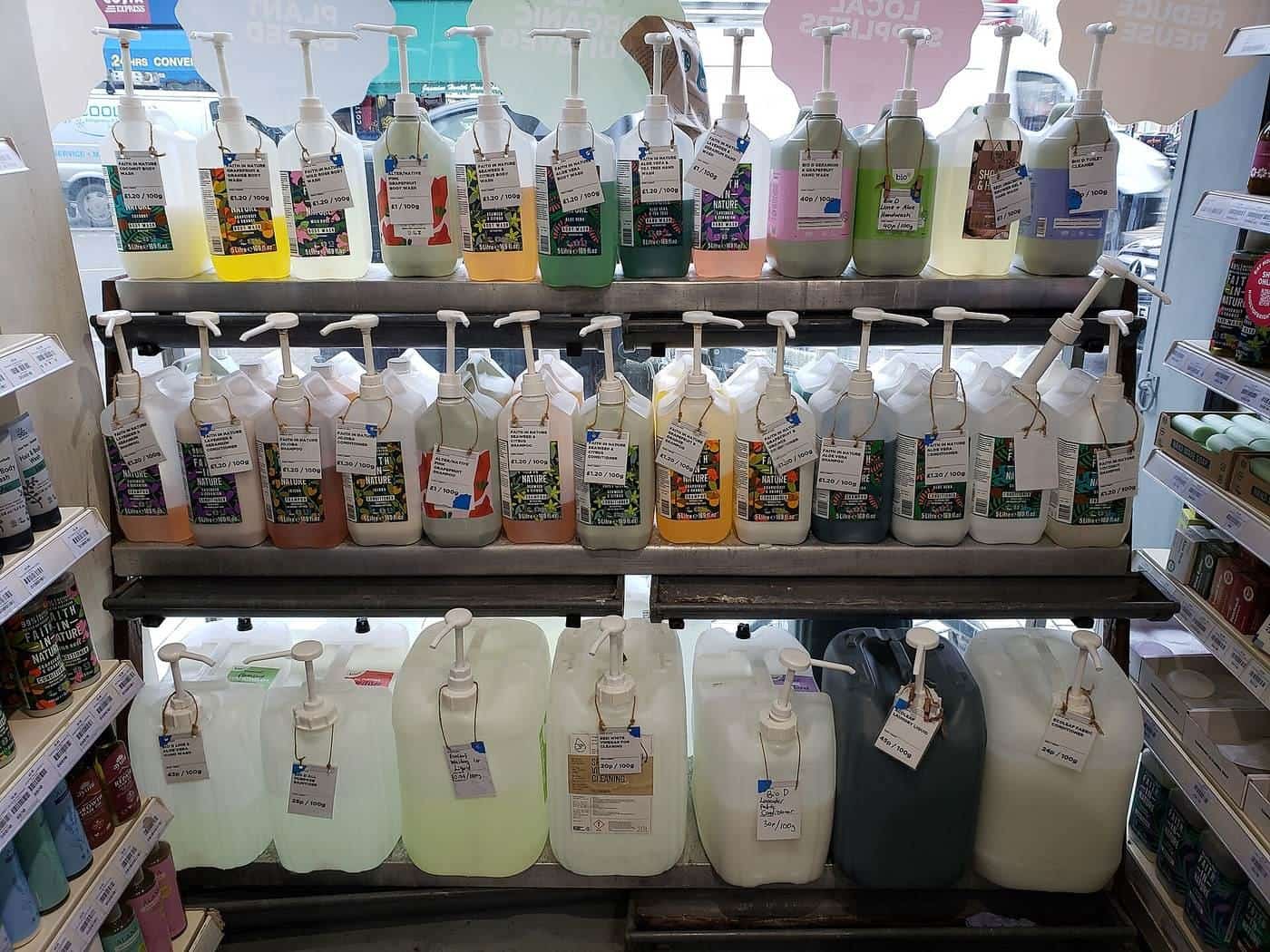
You can reduce the environmental footprint of cleaning without sacrificing results. Use the right amount of product rather than more; concentrated products and refills reduce packaging; microfibre cloths can reduce the need for chemical cleaners on many surfaces; and reusable cloths and mops cut waste. Choose products with clear labelling, and be wary of vague environmental claims. Dispose of chemicals according to your council's advice rather than pouring large quantities down drains. If you hire a cleaner, ask whether they offer lower-impact products and methods.
Homes with pets
Pets bring hair, dander, muddy paws and the occasional accident. Regular vacuuming, washable covers on furniture and mats at doors help. For accidents, clean up promptly using a product suited to the surface, and test first. Keep pets out of freshly cleaned areas until surfaces are dry, and store cleaning products where pets can't reach them. If you're hiring a cleaner, tell them about your pets: some people prefer pets to be secured during the visit, and some cleaners have allergies. At the end of a tenancy, pet-related cleaning may be a focus at the final inspection, so check your agreement and the entry condition report.
Cleaning with children around
Children can help with age-appropriate tasks, such as tidying toys, wiping low surfaces with water or putting washing away, and learning to clean is a useful life skill. But keep cleaning products out of their reach, and don't leave buckets of water or cleaning solution unattended, as they're a drowning and poisoning risk for small children. Store products in high or locked cupboards in their original containers. If a child swallows or is exposed to a product, call the Poisons Information Centre on 13 11 26, or 000 in an emergency.
Allergies, asthma and sensitivities
If anyone in your home has allergies, asthma or chemical sensitivities, cleaning choices matter. Fragranced products and sprays can irritate some people's airways; damp-dusting and vacuuming with a good filter help reduce airborne dust; and controlling moisture helps prevent mould. Let your cleaner know about sensitivities and ask about fragrance-free products. If you have health concerns, talk to your doctor about what's appropriate for your household.
Questions to ask yourself first
Before you act on this guide, take a few minutes to think about your own situation. What outcome do you actually need, and by when? Which tasks matter most to you, and which can wait? What's your budget, in time as well as money? Are there health, safety or access issues in your home that change the approach? Are you renting, and if so, what does your agreement and condition report say? Writing short answers to these questions makes it much easier to choose the right option, brief a cleaner clearly or plan your own clean, and it helps you notice gaps before they become problems.
A note on products and brands
We don't recommend particular cleaning brands, and we're not paid to mention products. When choosing a product, look for one that's designed for the surface and the job, read the label in full, and check the directions, safety warnings and first aid instructions before you start. Products sold for similar jobs can differ a lot in strength and ingredients, so don't assume one works like another. If a label is unclear or missing, don't use the product. Choosing the mildest product that does the job is usually the safest and cheapest approach.
Making it work for your household
Every home is different. A small apartment, a family house with young children, a share house and a home with someone living with a disability or health condition all have different needs. Adapt the advice in this guide to suit your space, your time and the people you live with. Focus first on the tasks that affect health and safety, such as kitchens, bathrooms, mould and safe storage of chemicals, and then on the tasks that matter most to you. Good enough, done regularly, usually beats perfect, done rarely.
Key points
- Small daily tasks prevent big weekly jobs.
- Weekly: bathrooms, floors, dusting, linen.
- Monthly and seasonal tasks catch the rest.
- Share tasks and use a checklist.
Frequently asked questions
What should I clean every day?
Quick tasks: dishes, wiping kitchen benches, a quick tidy and dealing with spills.
What should I clean weekly?
Bathrooms, floors, dusting, changing bed linen and emptying bins.
What about seasonal tasks?
Windows, curtains, under furniture, inside appliances and checking for mould.
How do I share cleaning at home?
Agree tasks, rotate the less popular ones and use a shared checklist.
Should I hire a cleaner?
It depends on time, budget and preferences. See our hiring guides.
Sources and further reading
Facts on this page were checked against these primary and official sources. Conditions change — confirm before you travel or buy.
- Floods: mould and your health — Department of Health Victoria
- Swallowed substances — healthdirect
- Condition reports — Consumer Affairs Victoria
- Consumer guarantees that apply automatically — Consumer Affairs Victoria