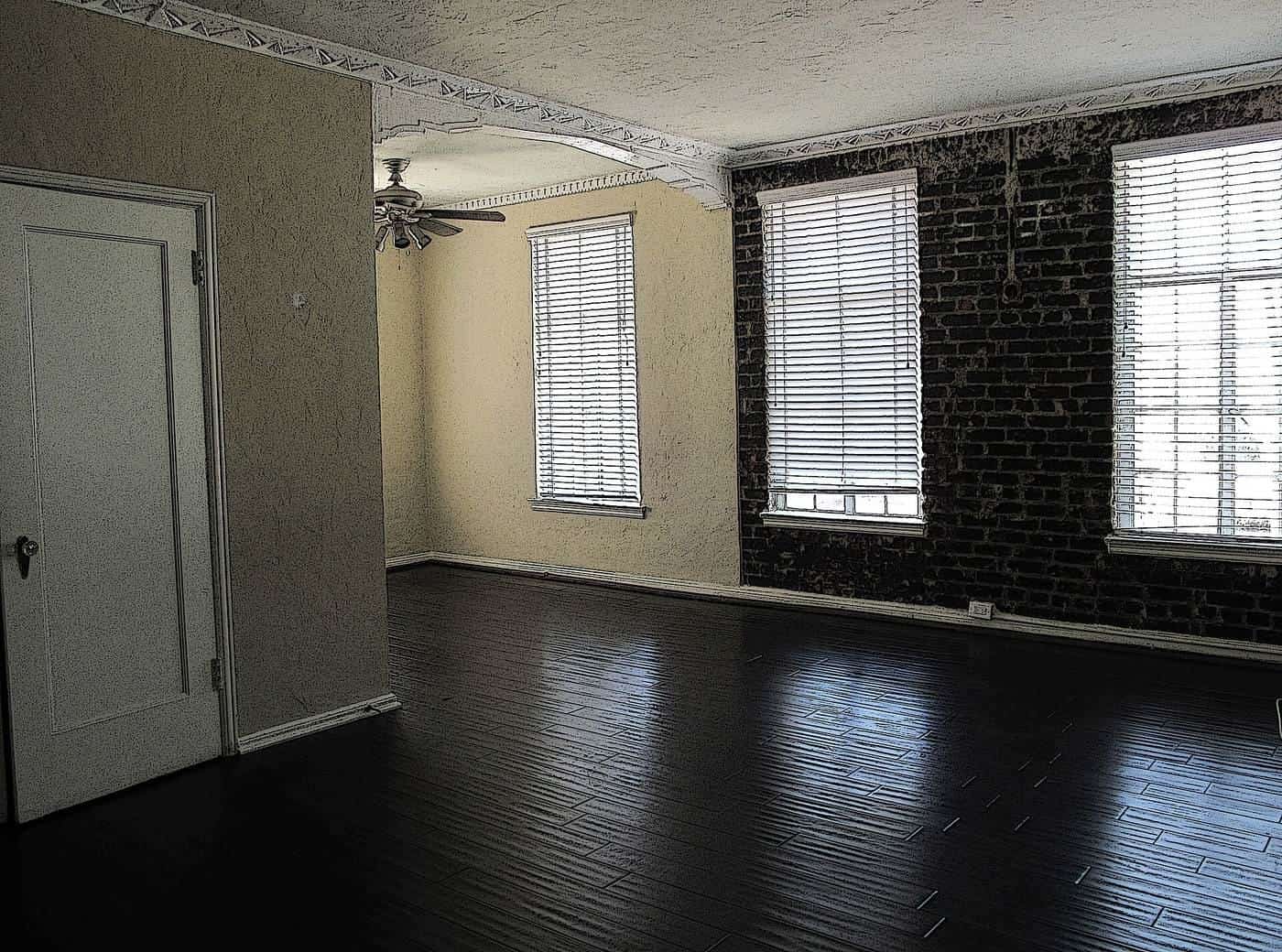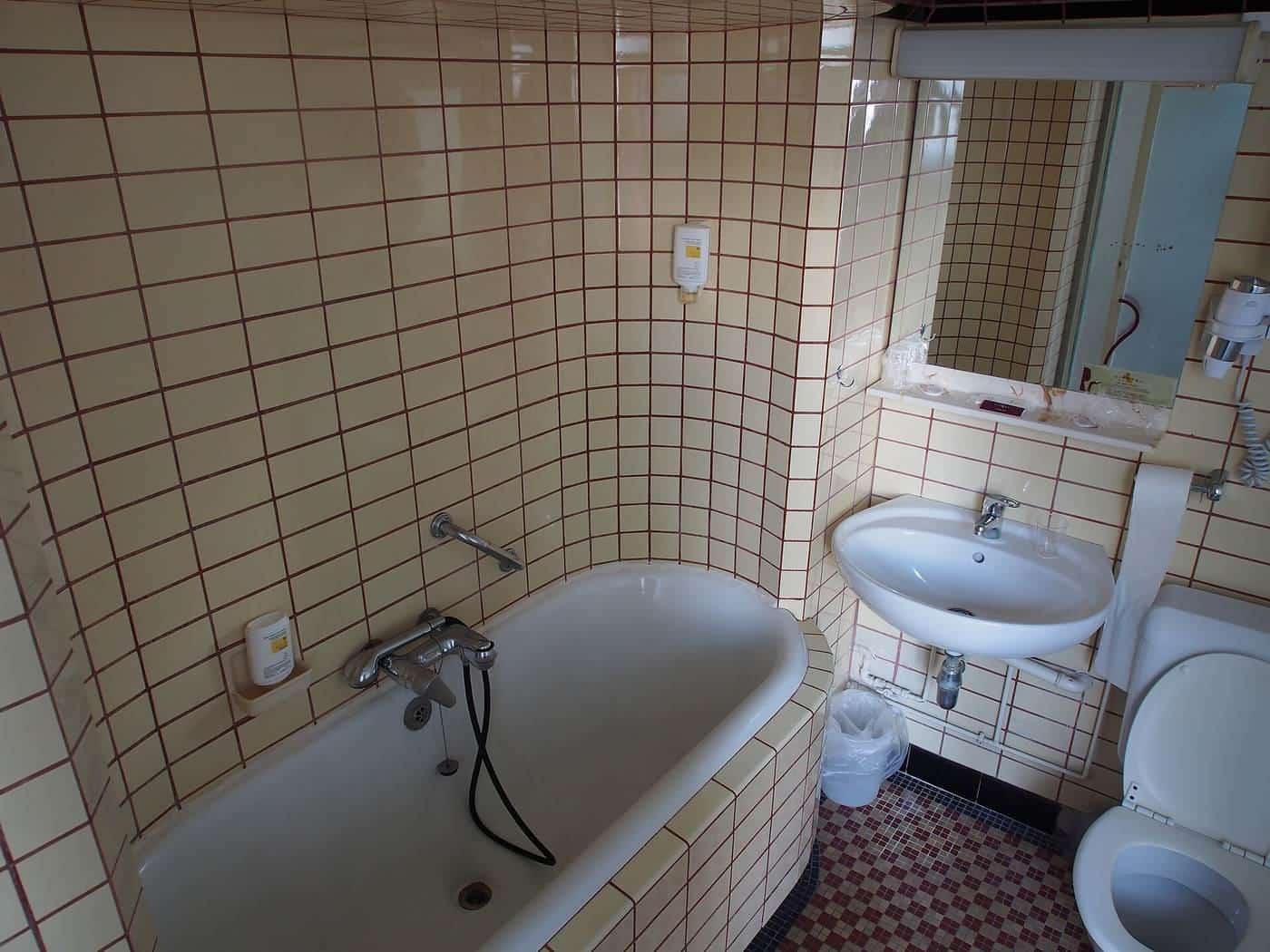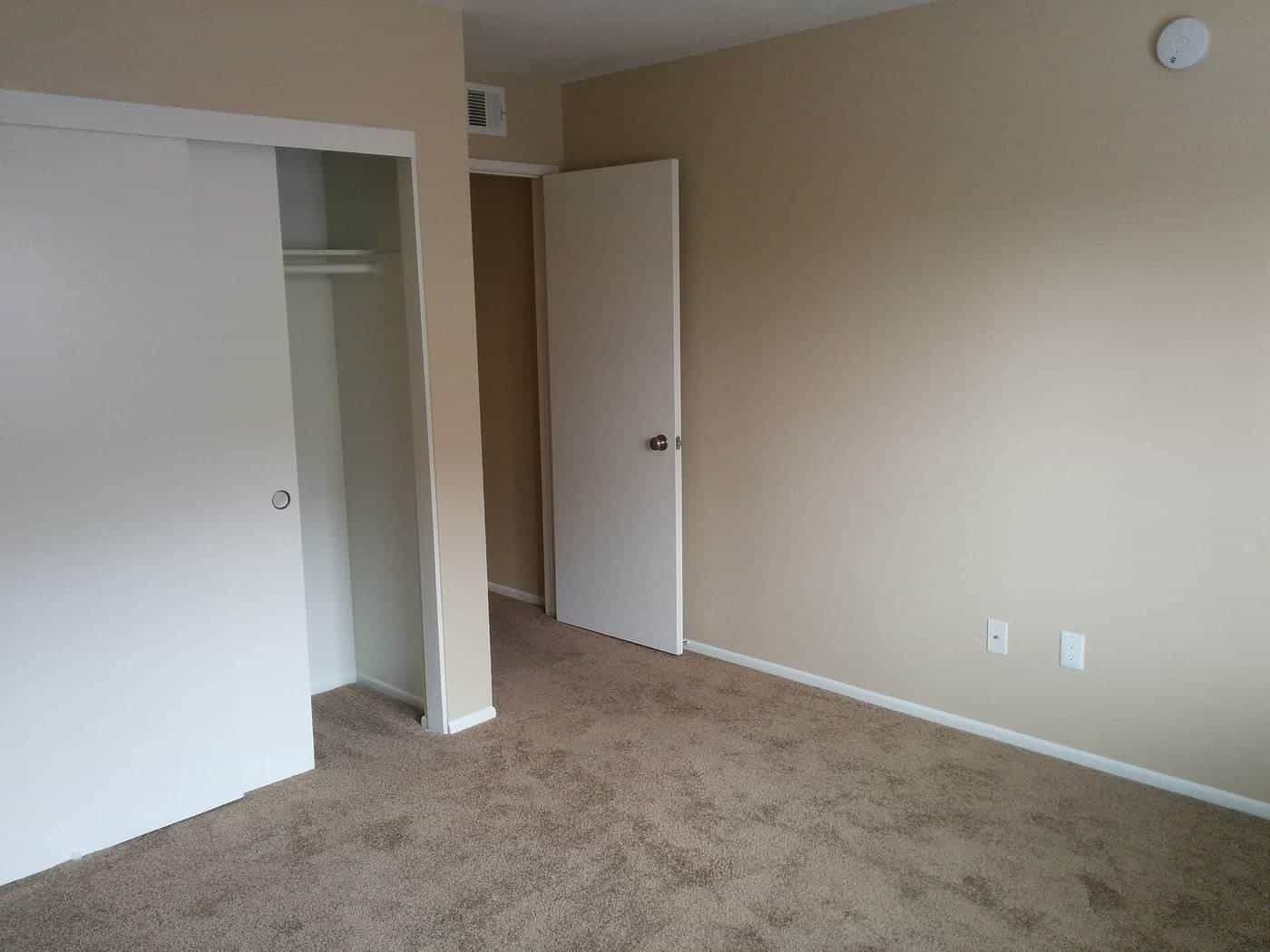
Disagreements about cleaning are a common reason bond isn't returned in full. If you think a rental provider's claim for cleaning is unfair, there's a clear process to follow, and good evidence goes a long way.
This guide summarises Consumer Affairs Victoria information and the Residential Tenancies Act 1997. It's general information, not legal advice. Consider getting advice from a tenancy service if your situation is complex.
How bond works in Victoria
Consumer Affairs Victoria explains that when a rental agreement ends, renters and rental providers make a bond claim to the Residential Tenancies Bond Authority (RTBA), telling it how the bond should be repaid. Bond is returned to renters when they move out unless there's a reason for the rental provider to claim some or all of it.
When cleaning can be claimed
Under the Residential Tenancies Act, a rental provider may claim the reasonable cost of cleaning any part of the premises if it wasn't left reasonably clean by the renter, having regard to its condition at the start of the agreement. Consumer Affairs Victoria lists "has not left the property reasonably clean" among reasons for a bond claim.
Rental providers can't claim bond for fair wear and tear.
Step 1: Look at the evidence
Compare:
- the entry condition report and your move-in photos;
- the exit condition report;
- your photos taken after cleaning;
- any receipts for cleaning;
- messages with the agent or rental provider.
Ask the rental provider for details: which areas, what cleaning was needed, and the cost, with any quote or invoice.
Step 2: Talk and negotiate
Consumer Affairs Victoria notes that the law doesn't define "reasonable use", which is why renters and rental providers are encouraged to discuss the property's state and come to a mutual agreement before making a claim to the RTBA. Explain your view with evidence. You might agree to a partial amount, or offer to return and clean a specific area if that's still possible.
Step 3: Rental Dispute Resolution Victoria or VCAT
If you can't agree, Consumer Affairs Victoria says either party can apply to Rental Dispute Resolution Victoria (RDRV) or VCAT to decide. Check the current process and time limits on the Consumer Affairs Victoria and RDRV websites.
What tribunals look at
VCAT decisions show the approach. In a 2026 decision, the Tribunal said renters must leave premises reasonably clean and in the same condition as when they entered, taking into account fair wear and tear, and that regard must be had to cleanliness at move-in, comparing entry and exit condition report photos. In a 2025 decision about carpet cleaning, the Tribunal compared photos, found no significant difference, and dismissed the claim.
Tips
- Respond promptly to any claim.
- Keep communication polite and in writing.
- Organise your evidence by room.
- Don't sign a bond claim form you don't agree with.
Taking useful photos
Photos are only useful if they clearly show what you need them to. Take them in good light, from the doorway first to show the whole room, then close-ups of specific areas such as the oven, shower, carpet and walls. Make sure the files are dated, or include something that shows the date. Take short videos walking through each room as well. Store copies in more than one place, such as your phone and a cloud folder. Do this at the start of a tenancy, and again after your final clean.
Renters: know where to get help
If you rent in Victoria, Consumer Affairs Victoria is the main source of information about your rights and responsibilities, including condition reports, cleaning, repairs and bond. Tenancy advice services can help if you're facing a dispute, and Rental Dispute Resolution Victoria and VCAT can decide disagreements you can't resolve yourself. Keep your rental agreement, condition report, photos, receipts and messages together, because they're your evidence if questions arise.
DIY or hire a professional?
Doing it yourself saves money and lets you control the result, but a thorough clean takes time and energy, especially when you're also moving. Hiring a professional can save time, and some businesses offer to return if issues are raised at the final inspection. Whichever you choose, the standard is the same: the property must be reasonably clean, compared with the entry condition report. If you hire a cleaner, check them first (see checking a cleaning business) and keep the receipt.
Timing your move-out clean
Moving is busy, and cleaning often gets squeezed. Plan backwards from the date you hand back the keys. Book any professional services, such as carpet cleaning if it's genuinely required, well in advance. Clean after most belongings are out, since it's much easier to clean empty rooms. Allow time to fix anything you notice, and leave a buffer in case the move runs late. If you're hiring end-of-lease cleaners, confirm the date, the scope and what happens if the agent raises issues after the final inspection.
Use the checklist tool
Our free cleaning checklist turns this guide into a practical list. Choose a regular clean or moving out, tick the rooms you have, and work through the tasks. You can print it, give it to a cleaner, or tick items off on your phone. Nothing you tick leaves your browser. It's a general checklist, not a legal standard; for renting rules, check Consumer Affairs Victoria.
Where our information comes from
We base the legal and safety information in this guide on official sources, including Consumer Affairs Victoria, the Residential Tenancies Act 1997, published VCAT decisions, the Victorian Department of Health and healthdirect, listed at the end of the page. Practical cleaning tips are general guidance. Laws and guidance change, so we show the date we last checked the page. Before relying on any detail, follow the source links.
Mould in rental properties
Mould is a common issue in rentals, particularly in older buildings with poor ventilation. If you notice mould or damp, report it to your rental provider or agent in writing, especially if it's caused by a leak, a broken exhaust fan or another maintenance issue. Keep a record of when you reported it and what happened. Consumer Affairs Victoria has information about repairs and rental minimum standards. Day-to-day ventilation and cleaning of surface mould from condensation is generally part of keeping the property reasonably clean.
Questions to ask yourself first
Before you act on this guide, take a few minutes to think about your own situation. What outcome do you actually need, and by when? Which tasks matter most to you, and which can wait? What's your budget, in time as well as money? Are there health, safety or access issues in your home that change the approach? Are you renting, and if so, what does your agreement and condition report say? Writing short answers to these questions makes it much easier to choose the right option, brief a cleaner clearly or plan your own clean, and it helps you notice gaps before they become problems.
A note on products and brands
We don't recommend particular cleaning brands, and we're not paid to mention products. When choosing a product, look for one that's designed for the surface and the job, read the label in full, and check the directions, safety warnings and first aid instructions before you start. Products sold for similar jobs can differ a lot in strength and ingredients, so don't assume one works like another. If a label is unclear or missing, don't use the product. Choosing the mildest product that does the job is usually the safest and cheapest approach.
Key points
- Bonds are held by the RTBA.
- Cleaning can be claimed only if the property wasn't left reasonably clean, compared with its condition at the start.
- Fair wear and tear can't be claimed.
- Negotiate with evidence first.
- If you can't agree, apply to RDRV or VCAT.
Frequently asked questions
Who holds my bond?
In Victoria, bonds are lodged with the Residential Tenancies Bond Authority (RTBA).
Can the rental provider keep bond for cleaning?
Only for the reasonable cost of cleaning if the property wasn’t left reasonably clean, having regard to its condition at the start.
What if I disagree with a claim?
Talk to the rental provider or agent first. If you can’t agree, either party can apply to RDRV or VCAT.
What evidence helps?
Entry and exit condition reports, dated photos, receipts and messages.
Can they claim for fair wear and tear?
No. Consumer Affairs Victoria says rental providers can’t claim bond to cover fair wear and tear.
Sources and further reading
Facts on this page were checked against these primary and official sources. Conditions change — confirm before you travel or buy.
- Bond claims and refunds — Consumer Affairs Victoria
- Condition reports — Consumer Affairs Victoria
- Residential Tenancies Act 1997 s 411AB: Matters that may be subject of bond claim — AustLII
- Crameri v Thomas [2026] VCAT 188 — AustLII
- Kaminsky v Delosa [2025] VCAT 485 — AustLII