Most cleaning happens at home, week after week. The guides in this section focus on doing it safely and sustainably: dealing with mould, using chemicals carefully, looking after carpets and soft furnishings, and building a routine that fits your life.
The guides in this section
- Mould at home Causes, safe cleaning and prevention.
- Cleaning chemical safety Storing, using and never mixing products.
- Carpet and upholstery care Vacuuming, spills and deep cleaning.
- Cleaning schedule A realistic daily, weekly and occasional routine.
Safety first
- Read labels and follow directions.
- Never mix products, especially bleach with ammonia or acids.
- Ventilate while cleaning.
- Wear gloves, and eye protection for harsh products.
- Store products in original containers, out of reach.
- For poisoning, call 13 11 26; in an emergency, call 000.
Ventilation matters
Good ventilation helps with almost every cleaning problem. It reduces condensation and mould, clears fumes from cleaning products and helps surfaces dry faster. Use exhaust fans in bathrooms and kitchens, and check they're working and their covers are clean. Open windows when weather allows, even briefly in winter. Use window coverings and furniture placement that let air circulate near external walls. If you rent and an exhaust fan isn't working, report it to your rental provider.
A basic cleaning kit
You don't need a cupboard full of products. A simple kit covers most homes:
- microfibre cloths in a few colours, using different colours for kitchen, bathroom and toilet;
- a general-purpose cleaner suited to your surfaces;
- a bathroom cleaner and a toilet cleaner;
- a glass cleaner or a squeegee;
- dishwashing detergent;
- a scrubbing brush and non-scratch sponges;
- a vacuum cleaner with attachments;
- a mop and bucket;
- rubber gloves.
Store products in their original containers, away from children and pets, and never mix them.
Time-saving habits
Small habits make a big difference. Clean as you go in the kitchen. Squeegee the shower screen after use. Keep a cloth and spray under each bathroom sink, safely out of children's reach. Deal with clutter before it builds up, because tidy surfaces are faster to clean. Put a mat at every external door. Set a timer for short bursts instead of saving everything for one long session. Do one deeper task each week, such as wiping skirting boards or cleaning the fridge, so nothing gets out of hand.
Cleaning with children around
Children can help with age-appropriate tasks, such as tidying toys, wiping low surfaces with water or putting washing away, and learning to clean is a useful life skill. But keep cleaning products out of their reach, and don't leave buckets of water or cleaning solution unattended, as they're a drowning and poisoning risk for small children. Store products in high or locked cupboards in their original containers. If a child swallows or is exposed to a product, call the Poisons Information Centre on 13 11 26, or 000 in an emergency.
Greener cleaning
You can reduce the environmental footprint of cleaning without sacrificing results. Use the right amount of product rather than more; concentrated products and refills reduce packaging; microfibre cloths can reduce the need for chemical cleaners on many surfaces; and reusable cloths and mops cut waste. Choose products with clear labelling, and be wary of vague environmental claims. Dispose of chemicals according to your council's advice rather than pouring large quantities down drains. If you hire a cleaner, ask whether they offer lower-impact products and methods.
A note on products and brands
We don't recommend particular cleaning brands, and we're not paid to mention products. When choosing a product, look for one that's designed for the surface and the job, read the label in full, and check the directions, safety warnings and first aid instructions before you start. Products sold for similar jobs can differ a lot in strength and ingredients, so don't assume one works like another. If a label is unclear or missing, don't use the product. Choosing the mildest product that does the job is usually the safest and cheapest approach.
Making it work for your household
Every home is different. A small apartment, a family house with young children, a share house and a home with someone living with a disability or health condition all have different needs. Adapt the advice in this guide to suit your space, your time and the people you live with. Focus first on the tasks that affect health and safety, such as kitchens, bathrooms, mould and safe storage of chemicals, and then on the tasks that matter most to you. Good enough, done regularly, usually beats perfect, done rarely.
Common mistakes to avoid
A few mistakes come up again and again. Using too much product, which leaves residue and wastes money. Mixing products, which can be dangerous. Using abrasive pads on surfaces that scratch. Soaking timber floors. Forgetting to ventilate. Skipping the brief when hiring a cleaner, then being disappointed with the result. Not keeping photos and receipts at the end of a tenancy. Avoiding these is often the quickest way to better results.
Five habits for a cleaner home
- Little and often: short regular cleans beat occasional marathons.
- Ventilate: use exhaust fans and open windows to keep moisture and mould down.
- Never mix products: the Victorian Department of Health warns never to mix bleach with ammonia or acids.
- Store products safely: in original containers, out of reach of children and pets.
- Keep records: quotes, receipts, condition reports and dated photos.
About these guides
Cleaners Melbourne is an independent information site. We aren't a cleaning company, agency, tenancy advice service or government body, and no business pays to appear in our guides. We don't publish prices or rank cleaners or products. We write every guide in our own words and list the official sources we used, such as Consumer Affairs Victoria, the Residential Tenancies Act, VCAT decisions, the Victorian Department of Health, healthdirect and the Fair Work Ombudsman. Rules change, so check current details with the relevant agency.
How we keep these guides current
We review each guide against official sources and show the date it was last checked. If you notice something out of date, please tell us through our contact page, and we'll check and correct it.
Guides in this section
At home
Mould at home
How to prevent and safely clean small areas of household mould: moisture control, ventilation, protective gear, and when to get professional help.
Read · 6 min
At home
Cleaning chemical safety
How to use household cleaning products safely: reading labels, never mixing chemicals, ventilation, storage away from children, and the Poisons line.
Read · 6 min
At home
Carpet and upholstery care
How to look after carpets and upholstery: vacuuming, treating spills, deep cleaning options, and what renters should know when moving out.
Read · 6 min
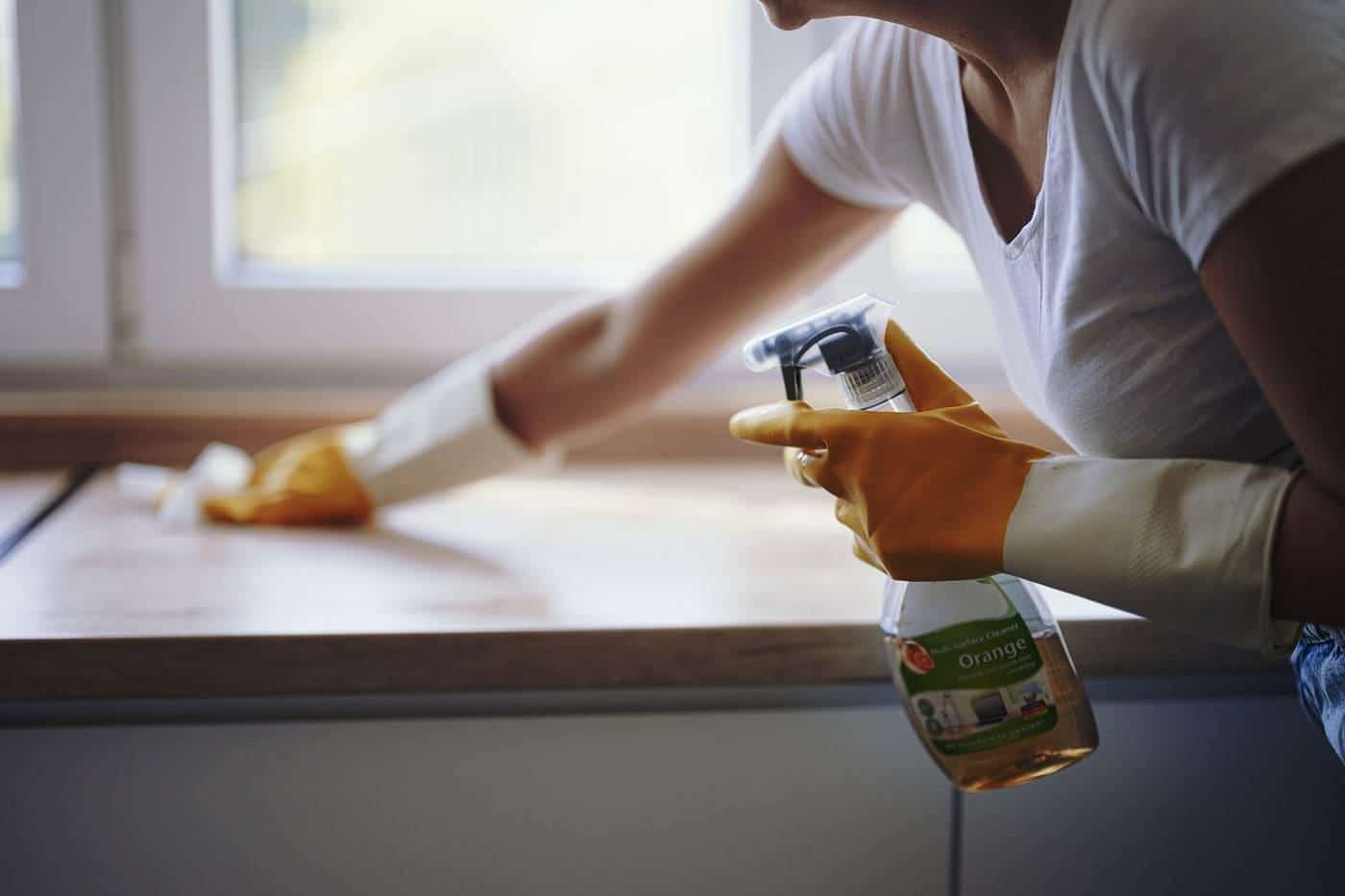
At home
A cleaning schedule that works
A practical home cleaning schedule broken into daily, weekly, monthly and seasonal tasks, with tips for sharing the load.
Read · 6 min
Frequently asked questions
Is it safe to mix cleaning products?
No. The Victorian Department of Health warns never to mix bleach with ammonia or acids, as this can release toxic gases.
What should I do if someone swallows a cleaning product?
Call the Poisons Information Centre on 13 11 26. In an emergency, call 000.
Can I clean mould myself?
Small areas often can be cleaned with care and protection. The Department of Health recommends a P1 or P2 mask and gloves. Seek advice for large areas.
How often should I clean?
It depends on your household. Our cleaning schedule guide suggests daily, weekly and occasional tasks you can adapt.
Sources and further reading
Facts on this page were checked against these primary and official sources. Conditions change — confirm before you travel or buy.
- Floods: mould and your health — Department of Health Victoria
- Swallowed substances — healthdirect