Carpets and upholstered furniture trap dust, crumbs, pet hair and spills. Regular care keeps them looking better, can help reduce dust in the home and makes deep cleaning easier.
This is general information. Always follow manufacturers' care instructions.
Everyday care
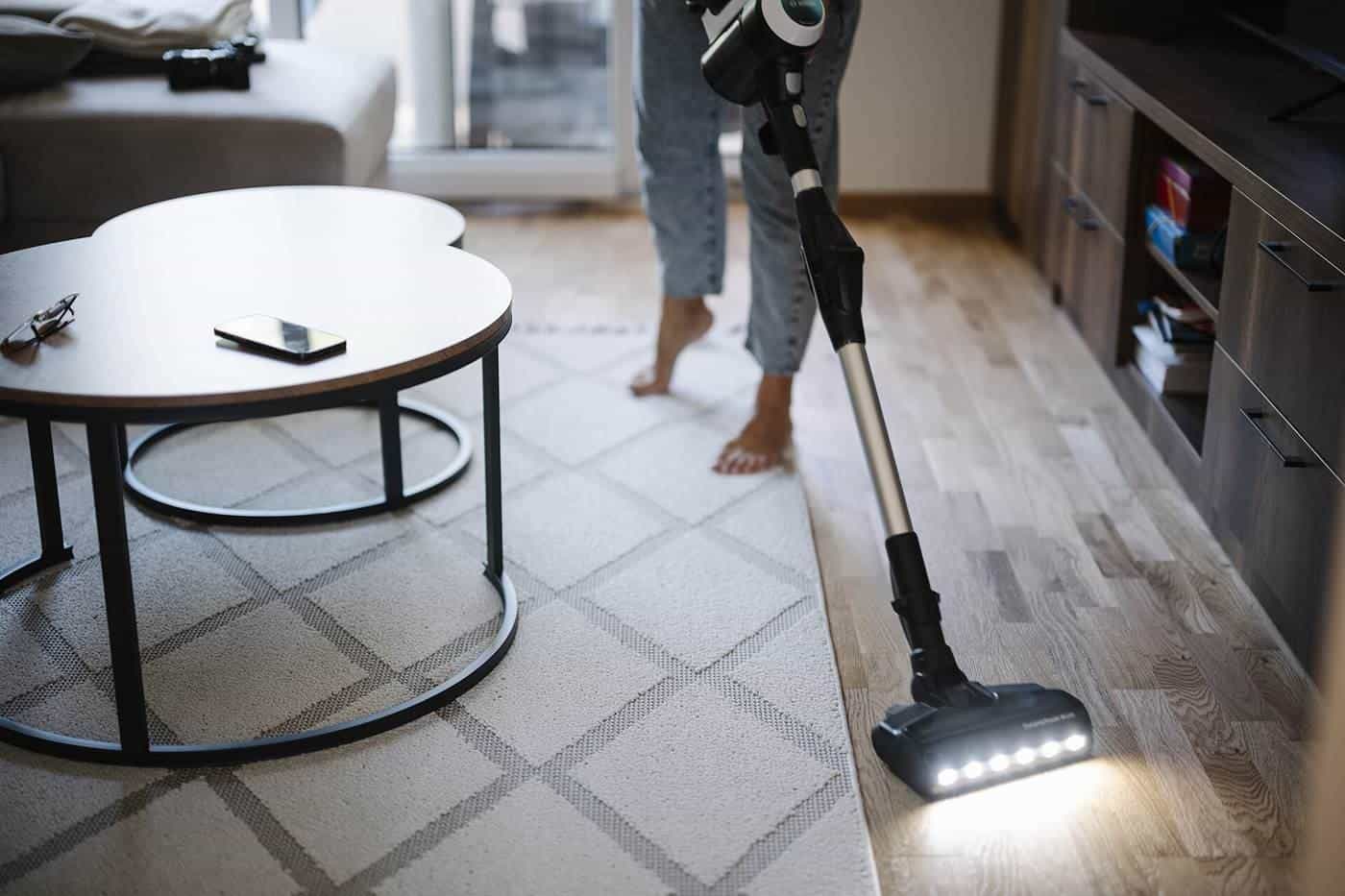
- Vacuum regularly, especially high-traffic areas, entries and under furniture.
- Use doormats at entrances to reduce dirt coming in.
- Consider a no-shoes rule indoors.
- Rotate rugs and cushions to spread wear.
- Protect from strong sun, which can fade fabrics.
Dealing with spills
- Act quickly. The sooner you deal with a spill, the better.
- Blot, don't rub. Use a clean, white cloth to absorb as much as possible.
- Work from the outside in to avoid spreading the stain.
- Test products on a hidden area first.
- Rinse with a little clean water and blot dry.
- Avoid over-wetting, which can damage backing or padding.
Deep cleaning carpets
Common methods include hot water extraction (often called steam cleaning) and low-moisture or "dry" methods. The right method depends on the carpet fibre and construction and the manufacturer's care instructions. Some carpet warranties specify cleaning methods.
If you hire a carpet cleaner, ask:
- What method do you use, and is it suitable for my carpet?
- How long will it take to dry?
- Do you move furniture?
- What's included, and what costs extra (stain treatment, deodorising)?
- What happens if a stain doesn't come out?
Consumer guarantees mean services must be provided with due care and skill.
Upholstery
Check the care label or cleaning code on your furniture. Test any product on a hidden area. Vacuum with an upholstery attachment, and get professional advice for delicate fabrics or leather.
Renters and carpets
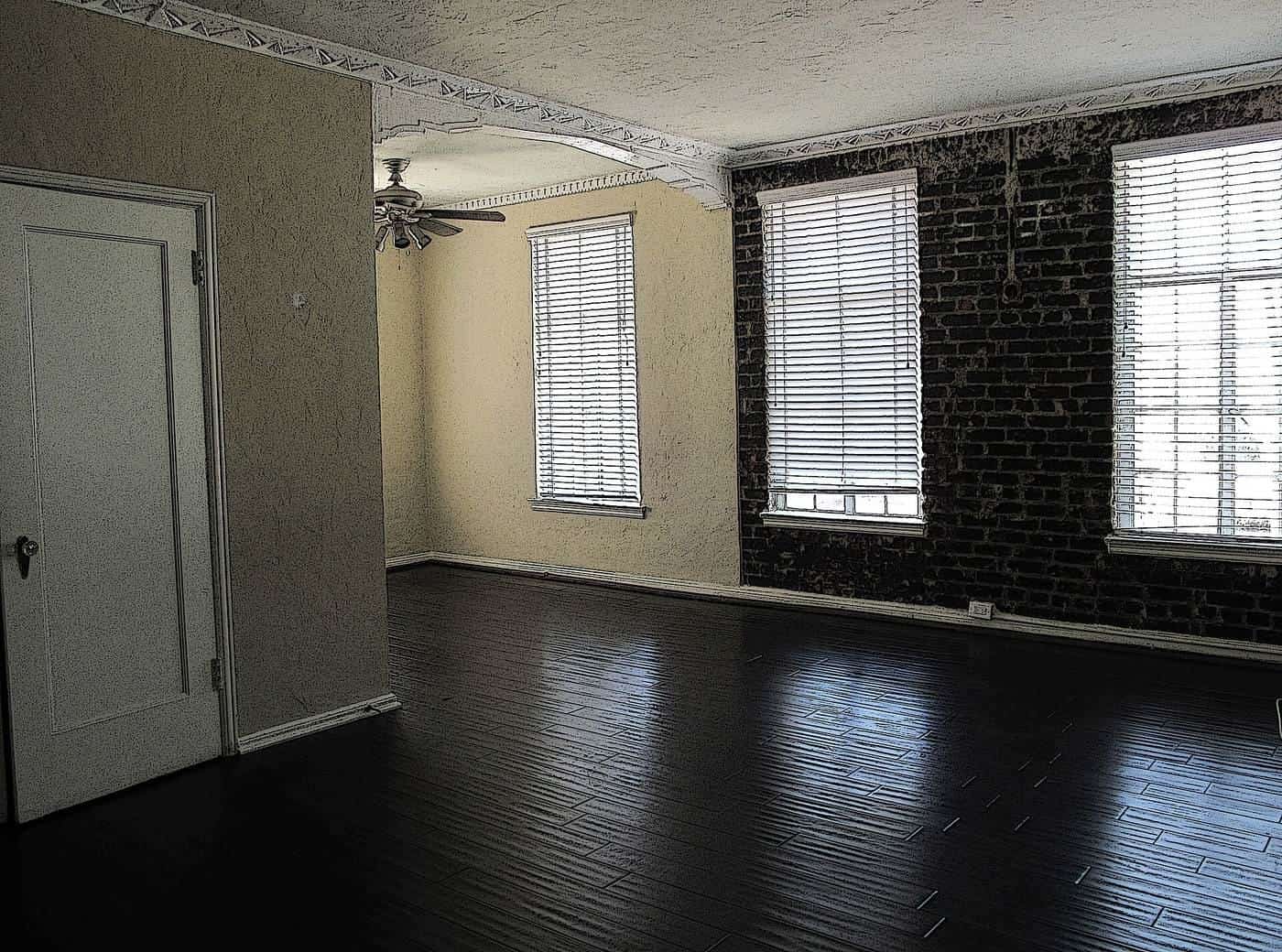
At the end of a tenancy in Victoria, renters must leave the property reasonably clean, compared with the entry condition report and allowing for fair wear and tear. For agreements from 29 March 2021, Consumer Affairs Victoria says professional cleaning can only be required in limited circumstances, such as if the carpet was professionally cleaned before you moved in. In a 2025 VCAT decision, a rental provider's claim for carpet cleaning was dismissed after the Tribunal compared entry and exit photos and found the carpet reasonably clean. See end-of-lease cleaning.
Homes with pets
Pets bring hair, dander, muddy paws and the occasional accident. Regular vacuuming, washable covers on furniture and mats at doors help. For accidents, clean up promptly using a product suited to the surface, and test first. Keep pets out of freshly cleaned areas until surfaces are dry, and store cleaning products where pets can't reach them. If you're hiring a cleaner, tell them about your pets: some people prefer pets to be secured during the visit, and some cleaners have allergies. At the end of a tenancy, pet-related cleaning may be a focus at the final inspection, so check your agreement and the entry condition report.
Allergies, asthma and sensitivities
If anyone in your home has allergies, asthma or chemical sensitivities, cleaning choices matter. Fragranced products and sprays can irritate some people's airways; damp-dusting and vacuuming with a good filter help reduce airborne dust; and controlling moisture helps prevent mould. Let your cleaner know about sensitivities and ask about fragrance-free products. If you have health concerns, talk to your doctor about what's appropriate for your household.
Greener cleaning
You can reduce the environmental footprint of cleaning without sacrificing results. Use the right amount of product rather than more; concentrated products and refills reduce packaging; microfibre cloths can reduce the need for chemical cleaners on many surfaces; and reusable cloths and mops cut waste. Choose products with clear labelling, and be wary of vague environmental claims. Dispose of chemicals according to your council's advice rather than pouring large quantities down drains. If you hire a cleaner, ask whether they offer lower-impact products and methods.
Know your surfaces
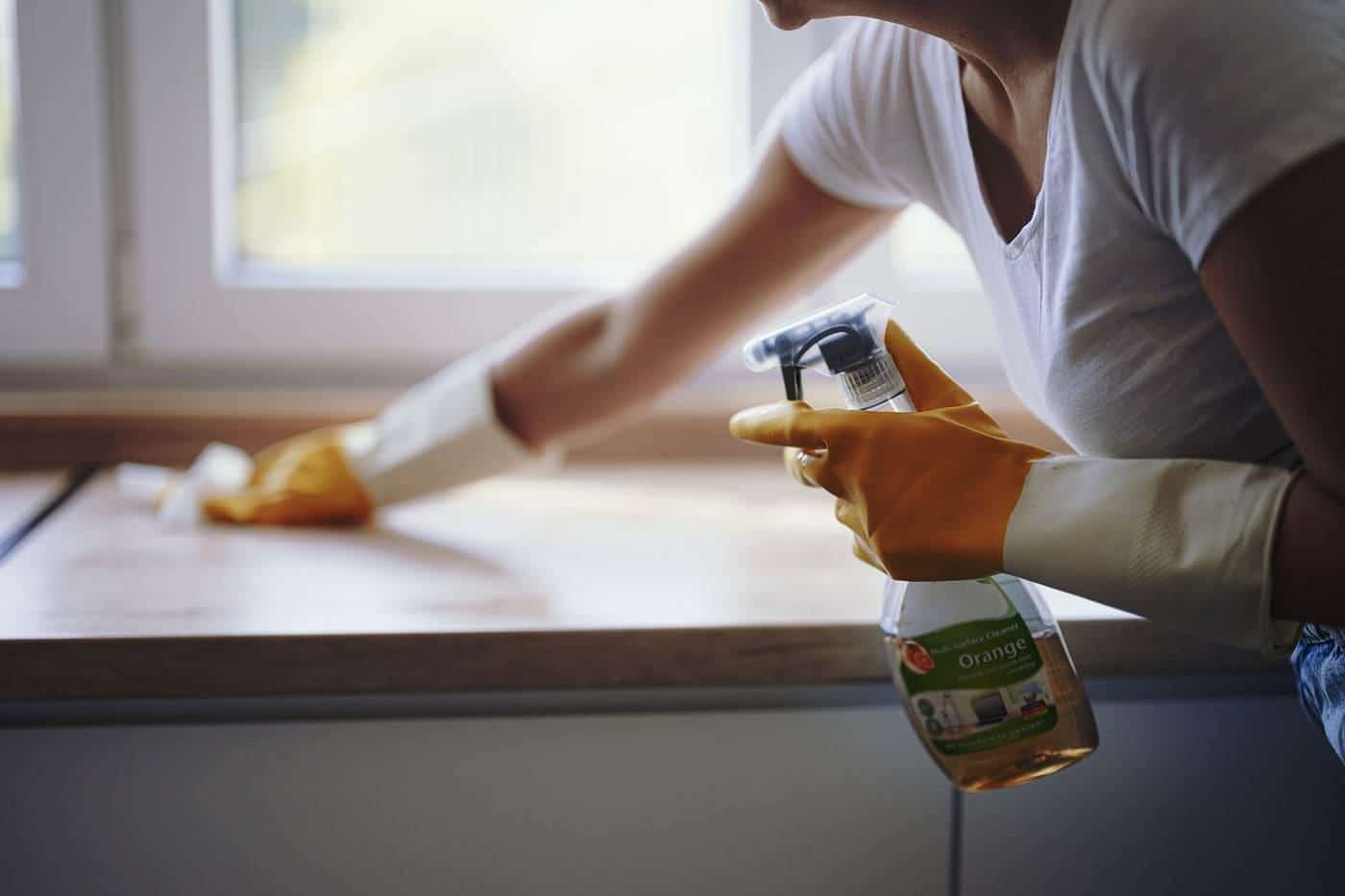
Different surfaces need different care, and the wrong product can cause permanent damage. Natural stone such as marble can be etched by acidic cleaners. Some engineered stone and laminate benchtops don't tolerate abrasive pads. Timber floors can be damaged by too much water. Stainless steel shows streaks and scratches if cleaned against the grain or with harsh scourers. Glass shower screens may have coatings that some products strip. When in doubt, check the manufacturer's care instructions, test a product on a small hidden area first, and start with the gentlest method that works. If you're briefing a cleaner, tell them about any surfaces that need special care.
Time-saving habits
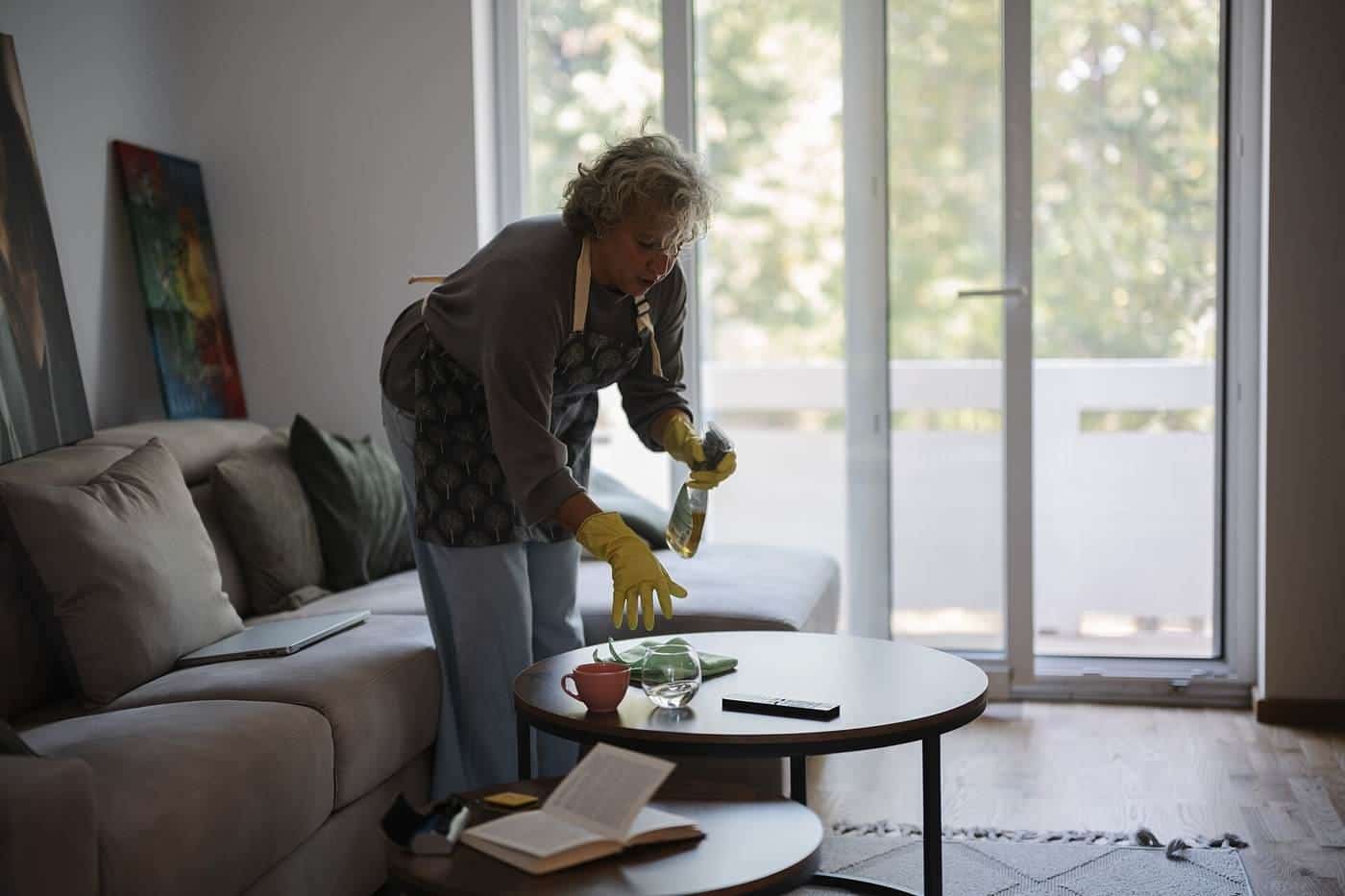
Small habits make a big difference. Clean as you go in the kitchen. Squeegee the shower screen after use. Keep a cloth and spray under each bathroom sink, safely out of children's reach. Deal with clutter before it builds up, because tidy surfaces are faster to clean. Put a mat at every external door. Set a timer for short bursts instead of saving everything for one long session. Do one deeper task each week, such as wiping skirting boards or cleaning the fridge, so nothing gets out of hand.
Taking useful photos
Photos are only useful if they clearly show what you need them to. Take them in good light, from the doorway first to show the whole room, then close-ups of specific areas such as the oven, shower, carpet and walls. Make sure the files are dated, or include something that shows the date. Take short videos walking through each room as well. Store copies in more than one place, such as your phone and a cloud folder. Do this at the start of a tenancy, and again after your final clean.
A basic cleaning kit
You don't need a cupboard full of products. A simple kit covers most homes:
- microfibre cloths in a few colours, using different colours for kitchen, bathroom and toilet;
- a general-purpose cleaner suited to your surfaces;
- a bathroom cleaner and a toilet cleaner;
- a glass cleaner or a squeegee;
- dishwashing detergent;
- a scrubbing brush and non-scratch sponges;
- a vacuum cleaner with attachments;
- a mop and bucket;
- rubber gloves.
Store products in their original containers, away from children and pets, and never mix them.
Where our information comes from
We base the legal and safety information in this guide on official sources, including Consumer Affairs Victoria, the Residential Tenancies Act 1997, published VCAT decisions, the Victorian Department of Health and healthdirect, listed at the end of the page. Practical cleaning tips are general guidance. Laws and guidance change, so we show the date we last checked the page. Before relying on any detail, follow the source links.
Questions to ask yourself first
Before you act on this guide, take a few minutes to think about your own situation. What outcome do you actually need, and by when? Which tasks matter most to you, and which can wait? What's your budget, in time as well as money? Are there health, safety or access issues in your home that change the approach? Are you renting, and if so, what does your agreement and condition report say? Writing short answers to these questions makes it much easier to choose the right option, brief a cleaner clearly or plan your own clean, and it helps you notice gaps before they become problems.
A note on products and brands
We don't recommend particular cleaning brands, and we're not paid to mention products. When choosing a product, look for one that's designed for the surface and the job, read the label in full, and check the directions, safety warnings and first aid instructions before you start. Products sold for similar jobs can differ a lot in strength and ingredients, so don't assume one works like another. If a label is unclear or missing, don't use the product. Choosing the mildest product that does the job is usually the safest and cheapest approach.
Key points
- Vacuum regularly and use doormats.
- Blot spills quickly and test products first.
- Choose deep-cleaning methods that suit the carpet.
- Check furniture care labels.
- Renters: the standard is "reasonably clean" against the entry report.
Frequently asked questions
How often should I vacuum carpet?
It depends on traffic, pets and allergies. High-traffic areas benefit from frequent vacuuming.
How do I treat a spill?
Act quickly, blot rather than rub, and test any product on a hidden area first.
Should I steam clean or dry clean carpet?
It depends on the carpet type and manufacturer’s care instructions. Ask a carpet cleaner.
Do renters have to professionally clean carpets?
For agreements from 29 March 2021, only in limited circumstances described by Consumer Affairs Victoria.
What about upholstery?
Check the care label or code on the furniture, and test products on a hidden area.
Sources and further reading
Facts on this page were checked against these primary and official sources. Conditions change — confirm before you travel or buy.
- Condition reports — Consumer Affairs Victoria
- Kaminsky v Delosa [2025] VCAT 485 — AustLII
- Services not done with due care and skill — Consumer Affairs Victoria
- Consumer guarantees that apply automatically — Consumer Affairs Victoria