Most homes have a cupboard full of cleaning products: bleach, bathroom and oven cleaners, dishwashing detergents, glass sprays. Used as directed, they're safe and effective. Misused, some can cause burns, breathing problems or poisoning, especially for children.
This guide is general information. If someone has swallowed or been exposed to a cleaning product, call the Poisons Information Centre on 13 11 26. In an emergency, call 000.
Read the label
Every product's label tells you how to use it safely: dilution, contact time, surfaces it suits, protective equipment and first aid. Read it before you start, even with products you've used before, because formulations change.
Never mix products
This is the most important rule. Victorian health guidance warns: don't mix bleach with ammonia, acids or other cleaners, as this can release hazardous chlorine or chloramine fumes. Mixing can happen accidentally, for example by using one product straight after another in a toilet or on the same surface. Rinse thoroughly between products, or better still, use one product at a time.
Ventilate
Open windows and doors, and use exhaust fans, especially in bathrooms and when using strong products like oven cleaners. If you feel dizzy, short of breath or your eyes sting, stop, get fresh air and seek advice.
Protect yourself
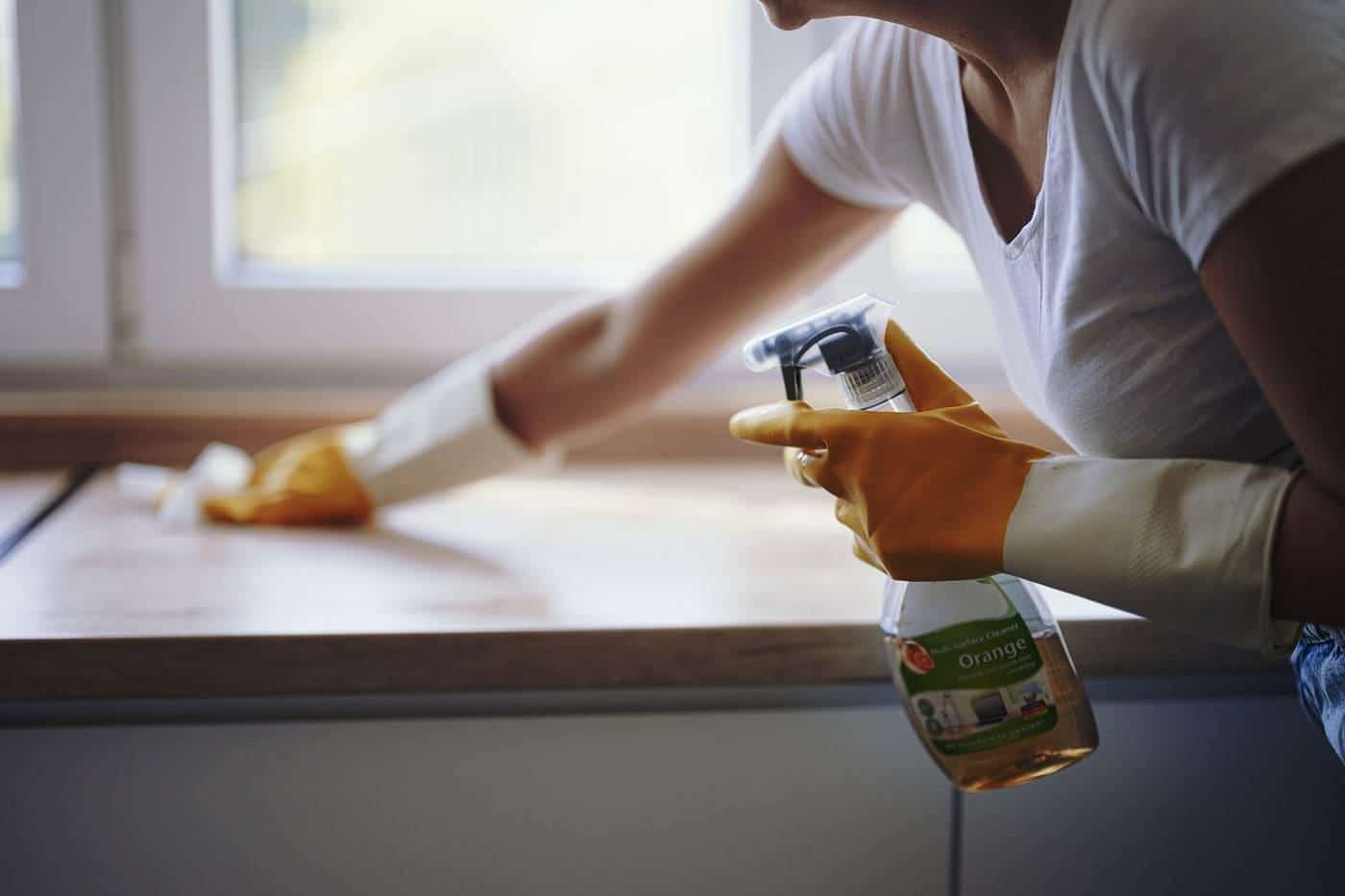
- Wear gloves when the label recommends them.
- Use eye protection with products that can splash, such as oven cleaners.
- Don't spray products towards your face.
- Wash hands after cleaning.
Store safely
- Keep products in their original, labelled containers. Never decant into drink bottles.
- Store out of reach and sight of children, ideally in a locked or child-resistant cupboard.
- Keep away from food.
- Close lids properly after use.
- Dispose of old products according to council advice.
Children and pets
Children are naturally curious, and many poisonings happen at home. Keep products away while you clean, don't leave buckets of cleaning solution unattended, and put products away immediately after use. Keep pets out of freshly cleaned areas until surfaces are dry and rinsed where needed.
If something goes wrong
healthdirect advises calling the Poisons Information Centre on 13 11 26 for advice if someone has swallowed a substance. Have the product container with you. If the person is unconscious, having trouble breathing or having a seizure, call 000.
Hiring a cleaner?
Ask what products they use and whether they can use your preferred products, such as fragrance-free options. See hiring a house cleaner.
Cleaning with children around
Children can help with age-appropriate tasks, such as tidying toys, wiping low surfaces with water or putting washing away, and learning to clean is a useful life skill. But keep cleaning products out of their reach, and don't leave buckets of water or cleaning solution unattended, as they're a drowning and poisoning risk for small children. Store products in high or locked cupboards in their original containers. If a child swallows or is exposed to a product, call the Poisons Information Centre on 13 11 26, or 000 in an emergency.
A basic cleaning kit
You don't need a cupboard full of products. A simple kit covers most homes:
- microfibre cloths in a few colours, using different colours for kitchen, bathroom and toilet;
- a general-purpose cleaner suited to your surfaces;
- a bathroom cleaner and a toilet cleaner;
- a glass cleaner or a squeegee;
- dishwashing detergent;
- a scrubbing brush and non-scratch sponges;
- a vacuum cleaner with attachments;
- a mop and bucket;
- rubber gloves.
Store products in their original containers, away from children and pets, and never mix them.
Know your surfaces
Different surfaces need different care, and the wrong product can cause permanent damage. Natural stone such as marble can be etched by acidic cleaners. Some engineered stone and laminate benchtops don't tolerate abrasive pads. Timber floors can be damaged by too much water. Stainless steel shows streaks and scratches if cleaned against the grain or with harsh scourers. Glass shower screens may have coatings that some products strip. When in doubt, check the manufacturer's care instructions, test a product on a small hidden area first, and start with the gentlest method that works. If you're briefing a cleaner, tell them about any surfaces that need special care.
Greener cleaning
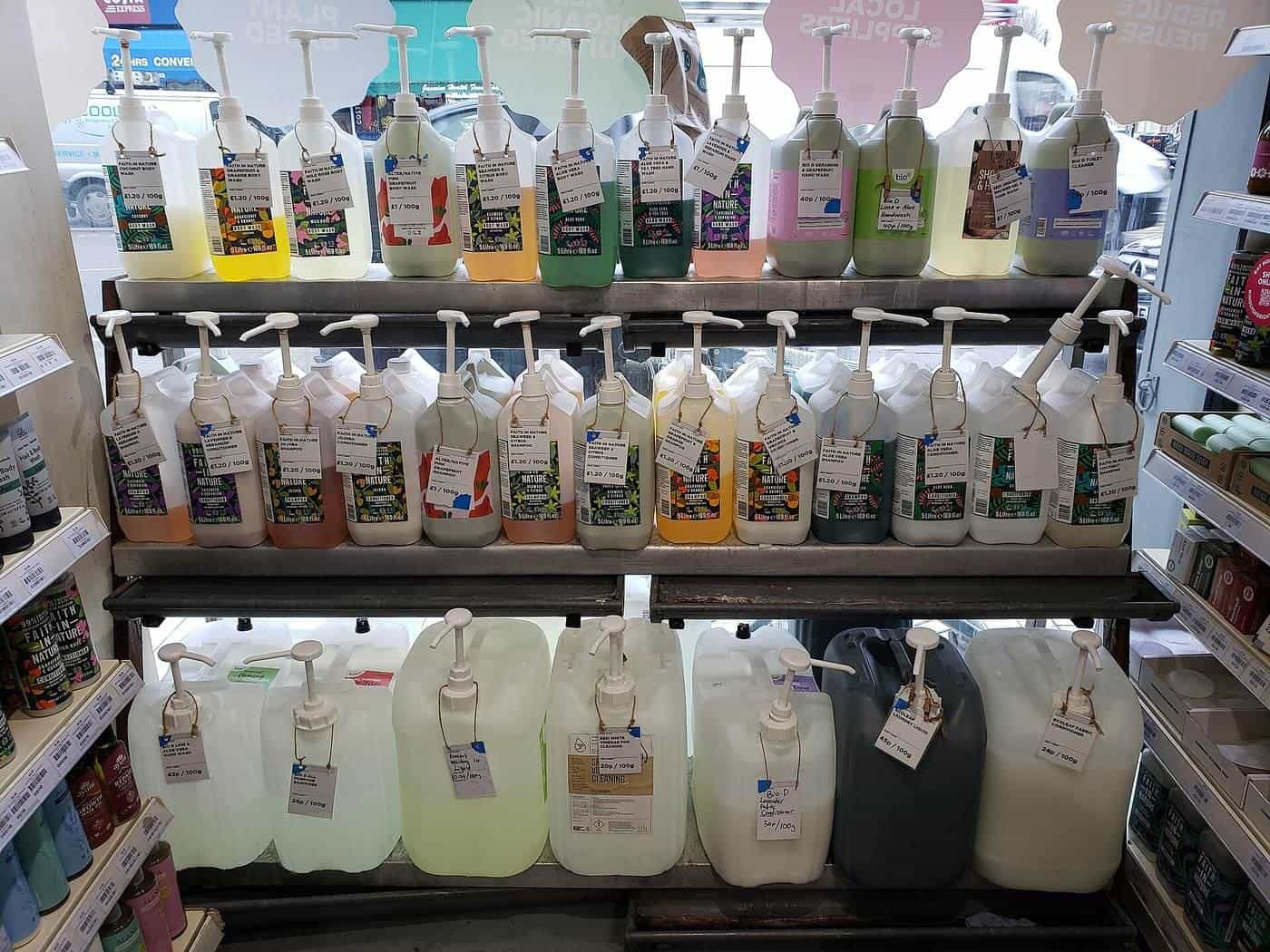
You can reduce the environmental footprint of cleaning without sacrificing results. Use the right amount of product rather than more; concentrated products and refills reduce packaging; microfibre cloths can reduce the need for chemical cleaners on many surfaces; and reusable cloths and mops cut waste. Choose products with clear labelling, and be wary of vague environmental claims. Dispose of chemicals according to your council's advice rather than pouring large quantities down drains. If you hire a cleaner, ask whether they offer lower-impact products and methods.
Allergies, asthma and sensitivities
If anyone in your home has allergies, asthma or chemical sensitivities, cleaning choices matter. Fragranced products and sprays can irritate some people's airways; damp-dusting and vacuuming with a good filter help reduce airborne dust; and controlling moisture helps prevent mould. Let your cleaner know about sensitivities and ask about fragrance-free products. If you have health concerns, talk to your doctor about what's appropriate for your household.
Tackling the oven
Ovens are one of the most time-consuming cleaning jobs and a common sticking point at final inspections. Remove racks and trays and soak them. Follow the oven manufacturer's instructions and the cleaning product's label; some oven cleaners are strongly caustic, so wear gloves and eye protection, ventilate the room and keep children and pets away. Don't use oven cleaners on self-cleaning ovens unless the manufacturer allows it. Clean the door glass and seals, and don't forget the rangehood filter.
Homes with pets
Pets bring hair, dander, muddy paws and the occasional accident. Regular vacuuming, washable covers on furniture and mats at doors help. For accidents, clean up promptly using a product suited to the surface, and test first. Keep pets out of freshly cleaned areas until surfaces are dry, and store cleaning products where pets can't reach them. If you're hiring a cleaner, tell them about your pets: some people prefer pets to be secured during the visit, and some cleaners have allergies. At the end of a tenancy, pet-related cleaning may be a focus at the final inspection, so check your agreement and the entry condition report.
Ventilation matters
Good ventilation helps with almost every cleaning problem. It reduces condensation and mould, clears fumes from cleaning products and helps surfaces dry faster. Use exhaust fans in bathrooms and kitchens, and check they're working and their covers are clean. Open windows when weather allows, even briefly in winter. Use window coverings and furniture placement that let air circulate near external walls. If you rent and an exhaust fan isn't working, report it to your rental provider.
Questions to ask yourself first
Before you act on this guide, take a few minutes to think about your own situation. What outcome do you actually need, and by when? Which tasks matter most to you, and which can wait? What's your budget, in time as well as money? Are there health, safety or access issues in your home that change the approach? Are you renting, and if so, what does your agreement and condition report say? Writing short answers to these questions makes it much easier to choose the right option, brief a cleaner clearly or plan your own clean, and it helps you notice gaps before they become problems.
Key points
- Read the label every time.
- Never mix products, especially bleach with ammonia or acids.
- Ventilate and wear protective gear as directed.
- Store products in original containers, away from children.
- Poisons Information Centre: 13 11 26. Emergency: 000.
Frequently asked questions
Can I mix cleaning products?
No. Victorian health advice warns that mixing bleach with ammonia, acids or other cleaners can release hazardous fumes.
What is the Poisons Information Centre number?
13 11 26, for advice on poisoning and exposures. In an emergency, call 000.
How should I store cleaning products?
In their original containers, with labels, out of reach and sight of children, ideally in a locked cupboard.
Do I need gloves?
Follow the label. Many products recommend gloves and, for some, eye protection.
Are natural cleaners always safe?
Not necessarily. Even common products can be irritating or harmful if misused. Read labels.
Sources and further reading
Facts on this page were checked against these primary and official sources. Conditions change — confirm before you travel or buy.
- Floods: mould and your health — Department of Health Victoria
- Swallowed substances — healthdirect
- Consumer guarantees that apply automatically — Consumer Affairs Victoria
- ABN Lookup — Australian Business Register