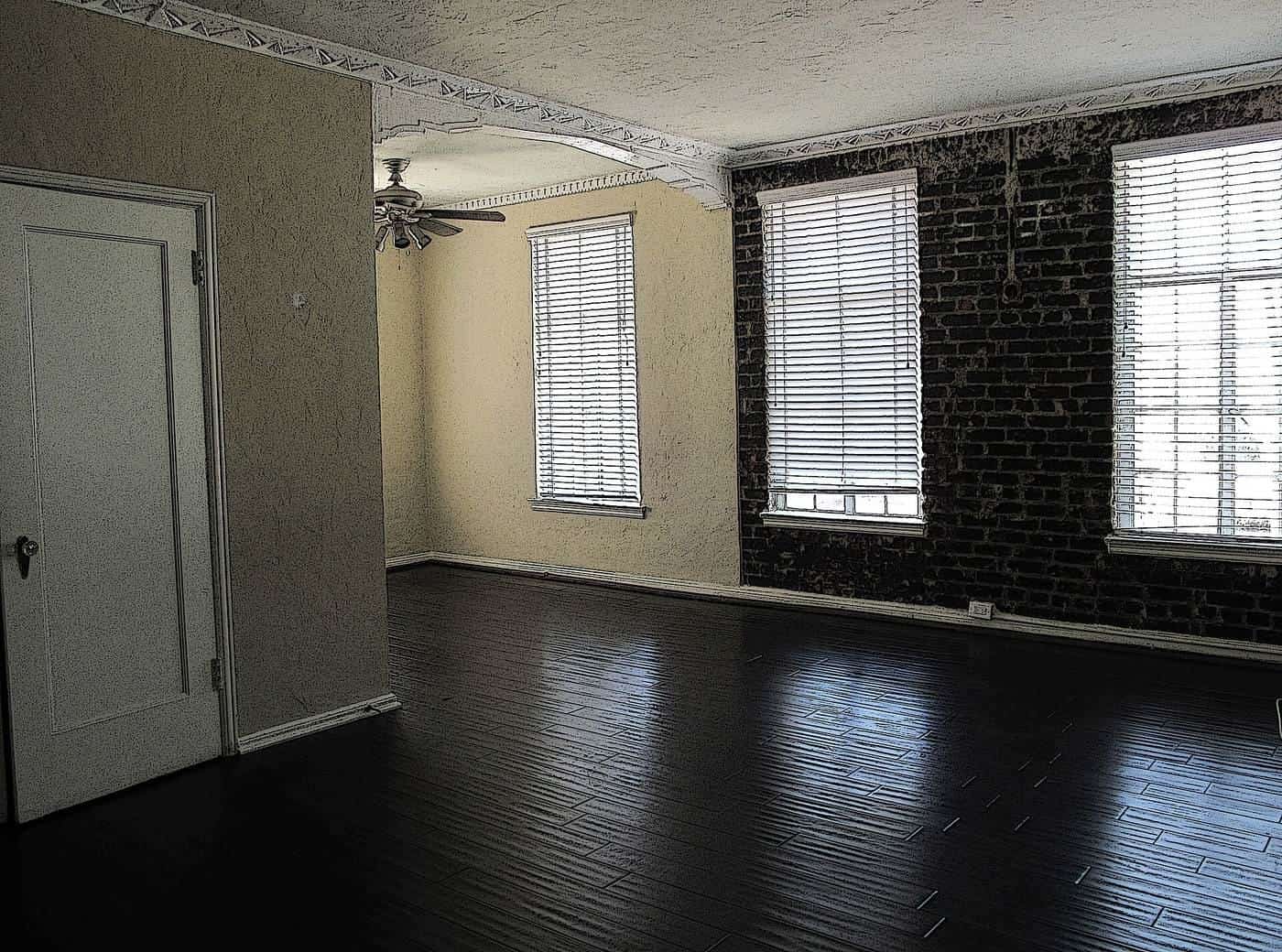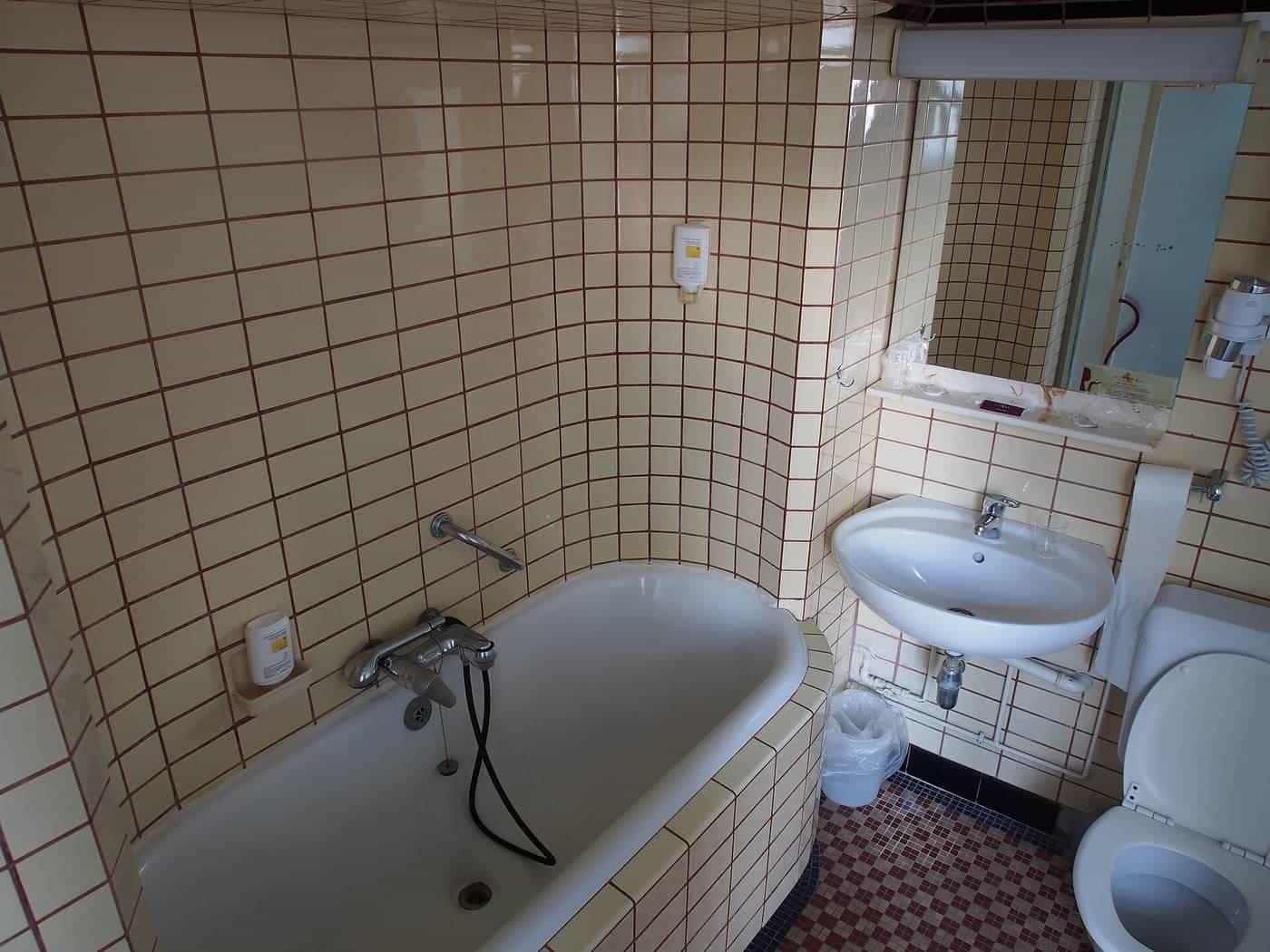
A move-out clean is bigger than a regular clean, and it's easy to miss things when you're also packing and moving. A room-by-room checklist helps. This guide gives a practical order and checklist. For the legal standard, see end-of-lease cleaning in Victoria.
This is general information. Use your entry condition report as your benchmark.
Plan your clean
- Read your entry condition report and look at move-in photos.
- Book time: start after most furniture is out, but leave time before handover.
- Gather supplies: cloths, sponges, a mop and bucket, a vacuum, gloves, and products suited to each surface. Read labels and never mix products (see cleaning chemical safety).
- Work top to bottom: ceilings, fans and lights first, then walls and surfaces, floors last.
- Work back to front: finish each room at the door and the whole home at the exit.
Our cleaning checklist has a printable move-out mode.
Kitchen
- Inside and outside all cupboards and drawers.
- Oven, racks, trays, stovetop and rangehood, including filters.
- Dishwasher inside and filter, if supplied.
- Fridge, if supplied.
- Splashback, benches, sink and taps.
- Light fittings and switches.
- Floor, including edges and under movable appliances.
Bathrooms and toilets
- Shower screen, tiles and grout (remove soap scum and mould where possible).
- Taps, shower head and fittings.
- Basin, vanity, drawers and cabinets.
- Mirror and glass.
- Toilet, including base and behind.
- Exhaust fan cover.
- Floor and floor waste.
Bedrooms and living areas
- Wardrobes, shelves and drawers inside.
- Skirting boards, doors, frames and handles.
- Light switches, fittings and fans.
- Spot-clean marks on walls (test first).
- Window sills, tracks and glass (inside).
- Carpets vacuumed thoroughly, or hard floors cleaned.
Laundry
- Tub, taps and cupboards.
- Spaces where the washer and dryer stood.
- Floor and floor waste.
Outside
- Remove all rubbish and belongings.
- Sweep balconies, paths and garage.
- Garden as required by your agreement.
Before you hand back the keys
- Compare each room with the entry condition report.
- Take dated photos of every room.
- Return all keys, fobs and remotes.
- Attend the final inspection if you can.
Tackling the oven
Ovens are one of the most time-consuming cleaning jobs and a common sticking point at final inspections. Remove racks and trays and soak them. Follow the oven manufacturer's instructions and the cleaning product's label; some oven cleaners are strongly caustic, so wear gloves and eye protection, ventilate the room and keep children and pets away. Don't use oven cleaners on self-cleaning ovens unless the manufacturer allows it. Clean the door glass and seals, and don't forget the rangehood filter.
Windows, tracks and blinds
Windows are easy to overlook. For glass, a squeegee and a little detergent in water often works better than spray-and-wipe. Vacuum tracks first to remove grit, then wipe with a damp cloth. Dust blinds regularly, and check the care instructions before washing them. Only clean windows you can reach safely from the ground or from inside; leave high external windows to people with the right equipment and training.
Know your surfaces
Different surfaces need different care, and the wrong product can cause permanent damage. Natural stone such as marble can be etched by acidic cleaners. Some engineered stone and laminate benchtops don't tolerate abrasive pads. Timber floors can be damaged by too much water. Stainless steel shows streaks and scratches if cleaned against the grain or with harsh scourers. Glass shower screens may have coatings that some products strip. When in doubt, check the manufacturer's care instructions, test a product on a small hidden area first, and start with the gentlest method that works. If you're briefing a cleaner, tell them about any surfaces that need special care.
Timing your move-out clean
Moving is busy, and cleaning often gets squeezed. Plan backwards from the date you hand back the keys. Book any professional services, such as carpet cleaning if it's genuinely required, well in advance. Clean after most belongings are out, since it's much easier to clean empty rooms. Allow time to fix anything you notice, and leave a buffer in case the move runs late. If you're hiring end-of-lease cleaners, confirm the date, the scope and what happens if the agent raises issues after the final inspection.
Taking useful photos
Photos are only useful if they clearly show what you need them to. Take them in good light, from the doorway first to show the whole room, then close-ups of specific areas such as the oven, shower, carpet and walls. Make sure the files are dated, or include something that shows the date. Take short videos walking through each room as well. Store copies in more than one place, such as your phone and a cloud folder. Do this at the start of a tenancy, and again after your final clean.
DIY or hire a professional?
Doing it yourself saves money and lets you control the result, but a thorough clean takes time and energy, especially when you're also moving. Hiring a professional can save time, and some businesses offer to return if issues are raised at the final inspection. Whichever you choose, the standard is the same: the property must be reasonably clean, compared with the entry condition report. If you hire a cleaner, check them first (see checking a cleaning business) and keep the receipt.
Renters: know where to get help
If you rent in Victoria, Consumer Affairs Victoria is the main source of information about your rights and responsibilities, including condition reports, cleaning, repairs and bond. Tenancy advice services can help if you're facing a dispute, and Rental Dispute Resolution Victoria and VCAT can decide disagreements you can't resolve yourself. Keep your rental agreement, condition report, photos, receipts and messages together, because they're your evidence if questions arise.
A basic cleaning kit
You don't need a cupboard full of products. A simple kit covers most homes:
- microfibre cloths in a few colours, using different colours for kitchen, bathroom and toilet;
- a general-purpose cleaner suited to your surfaces;
- a bathroom cleaner and a toilet cleaner;
- a glass cleaner or a squeegee;
- dishwashing detergent;
- a scrubbing brush and non-scratch sponges;
- a vacuum cleaner with attachments;
- a mop and bucket;
- rubber gloves.
Store products in their original containers, away from children and pets, and never mix them.
Questions to ask yourself first
Before you act on this guide, take a few minutes to think about your own situation. What outcome do you actually need, and by when? Which tasks matter most to you, and which can wait? What's your budget, in time as well as money? Are there health, safety or access issues in your home that change the approach? Are you renting, and if so, what does your agreement and condition report say? Writing short answers to these questions makes it much easier to choose the right option, brief a cleaner clearly or plan your own clean, and it helps you notice gaps before they become problems.
A note on products and brands
We don't recommend particular cleaning brands, and we're not paid to mention products. When choosing a product, look for one that's designed for the surface and the job, read the label in full, and check the directions, safety warnings and first aid instructions before you start. Products sold for similar jobs can differ a lot in strength and ingredients, so don't assume one works like another. If a label is unclear or missing, don't use the product. Choosing the mildest product that does the job is usually the safest and cheapest approach.
Making it work for your household
Every home is different. A small apartment, a family house with young children, a share house and a home with someone living with a disability or health condition all have different needs. Adapt the advice in this guide to suit your space, your time and the people you live with. Focus first on the tasks that affect health and safety, such as kitchens, bathrooms, mould and safe storage of chemicals, and then on the tasks that matter most to you. Good enough, done regularly, usually beats perfect, done rarely.
Key points
- Use your entry condition report as the benchmark.
- Work top to bottom and back to front.
- Don't forget ovens, cupboards, tracks, fans and floor wastes.
- Never mix cleaning products.
- Take dated photos when you finish.
Frequently asked questions
Where should I start a move-out clean?
Top to bottom and back to front: start high (fans, lights) and finish with floors, ending at the exit.
How long does a move-out clean take?
It depends on the size and condition of the property. Allow more time than you think, and don’t leave it to the last day.
Do I need to clean walls?
Spot-clean marks where it’s safe to do so, testing first. Compare with the entry condition report.
Should I clean the oven?
Yes, if it’s supplied with the property. Ovens are a common issue at final inspections.
Do I need professional carpet cleaning?
Only in the limited circumstances described by Consumer Affairs Victoria for agreements from 29 March 2021.
Sources and further reading
Facts on this page were checked against these primary and official sources. Conditions change — confirm before you travel or buy.
- Condition reports — Consumer Affairs Victoria
- Bond claims and refunds — Consumer Affairs Victoria
- Floods: mould and your health — Department of Health Victoria
- Swallowed substances — healthdirect